

Research Meets Manufacturing: EUR 2 Million Awarded to R&D Projects for Vaccine and Pharmaceutical Innovation Made in Ghana
Research is the starting point for innovation, but its real impact unfolds when it moves beyond the laboratory and becomes a product that improves people’s everyday lives. In Ghana, scientists across universities and research institutions are constantly developing solutions to some of the country’s most pressing health challenges. The difficulty, however, lies in bridging the gap between research and manufacturing.
In August 2026, eight grants were awarded under the PharmaVax Ghana programme to support innovative partnerships between Ghanaian research institutions and pharmaceutical companies working together in vaccine and pharmaceutical research and development.
The funded projects reflect the breadth of Ghana’s growing research and innovation landscape. They range from developing child-friendly malaria medicines and plant-based therapies for chronic diseases to applying artificial intelligence to accelerate antibody discovery for malaria and Mpox.
Valued at up to EUR 2 million, the grants and complementing technical assistance are to help researchers and manufacturers translate scientific discoveries into practical health solutions for the local and regional market. The Ghanaian consortium partners are contributing an additional EUR 425,000 towards implementing their projects, demonstrating their commitment to advancing locally driven health innovation.
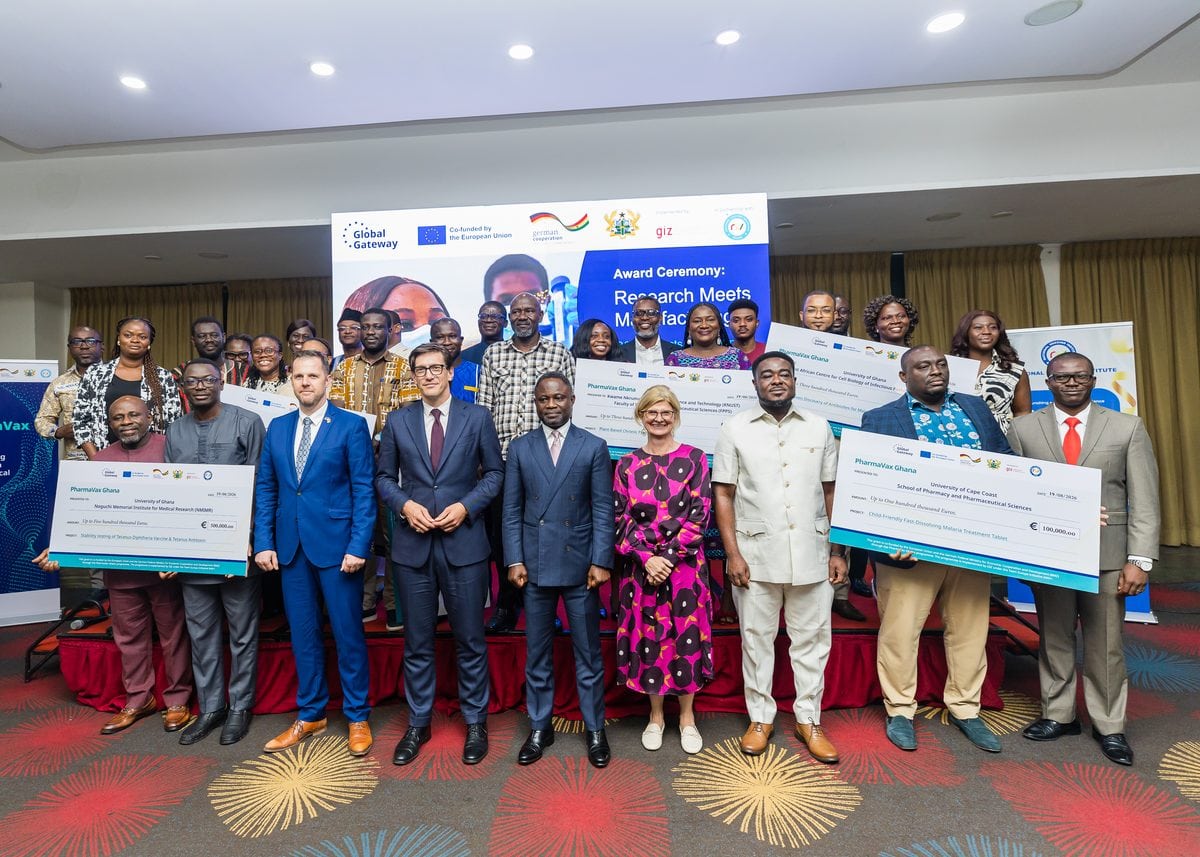
The grants were presented during the “Research Meets Manufacturing” Award Ceremony co-hosted by the National Vaccine Institute (NVI) and Deutsche Gesellschaft für Internationale Zusammenarbeit (GIZ) under the PharmaVax Ghana Programme. The initiative is jointly funded by the German Federal Ministry for Economic Cooperation and Development (BMZ) and the European Union (EU).
How the Projects Were Selected
A year earlier, the NVI and GIZ organised a competitive Call for Proposals, inviting researchers and manufacturers to collaboratively present their innovate project ideas. Prerequisites were that the partnership consortia should be led by a Ghanaian public or private research institution and involve at least one Ghanaian pharmaceutical manufacturer as a co-applicant. Project ideas had to consist of applied research and development and could range from drug discovery and development, innovations in product formulation to clinical trials.
After receiving 43 proposals, an independent evaluation committee consisting of nine Ghanaian experts assessed the projects against a pre-defined criteria including technical merit, innovation, public benefit, environmental impact, gender equality and the long-term sustainability of the proposed research and development work beyond the project duration. Beyond financial support, the best initiatives will receive technical assistance, networking opportunities and knowledge exchange to strengthen research capacity and promote the commercialisation of the products.
Celebrating the Winners
After careful review, eight projects emerged as standouts and were selected to receive funding ranging from 100,000 to 500,000 EUR. The announcement and recognition of these outstanding partnerships took place on August 19, 2026 in Accra during a festive awards ceremony.
The event brought together government officials, academia, industry and development partners to celebrate Ghanaian innovation and the growing collaboration between research institutions and manufacturers. Among the distinguished guests were Hon. Kwabena Mintah Akandoh, Minister of Health of the Republic of Ghana, H.E. Frederik Landshöft, Ambassador of the Federal Republic of Germany to Ghana, Mr. Jonas Cleas, Chargé d’affaires and Head of Political Section, European Union Delegation to Ghana, Dr. Sodzi Sodzi-Tettey, Chief Executive Officer of the National Vaccine Institute, Emerita Professor Isabella Akyinbah Quakyi, President of The Ghana Academy of Arts and Sciences as well as representatives from government institutions, universities, pharmaceutical companies and the wider scientific community.
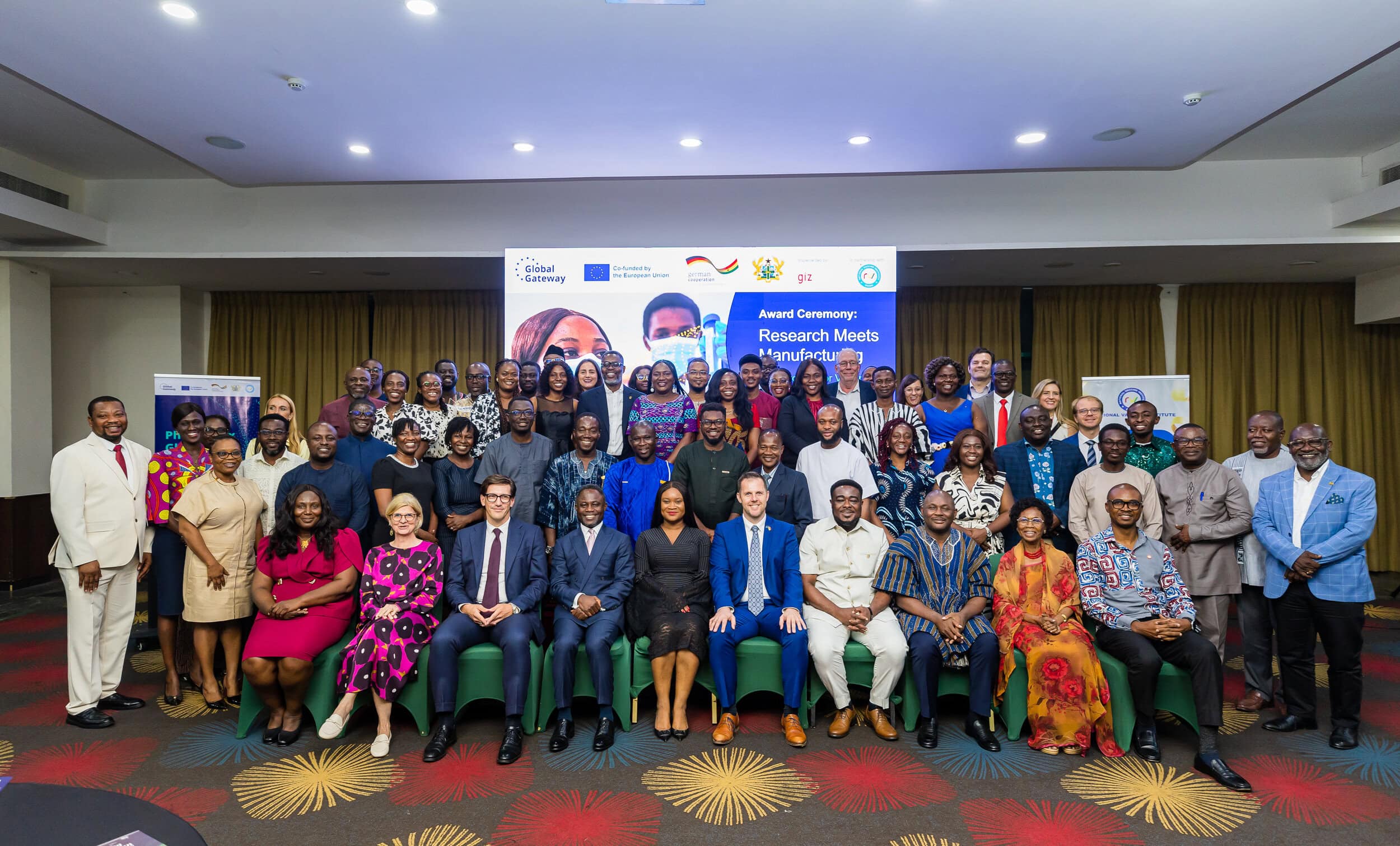
The keynote speaker, Pharm. Dr. Evelyn Biriwaa Ofei in her speech, emphasised that research must translate into practical solutions to support the growth of Ghana’s pharmaceutical industry.
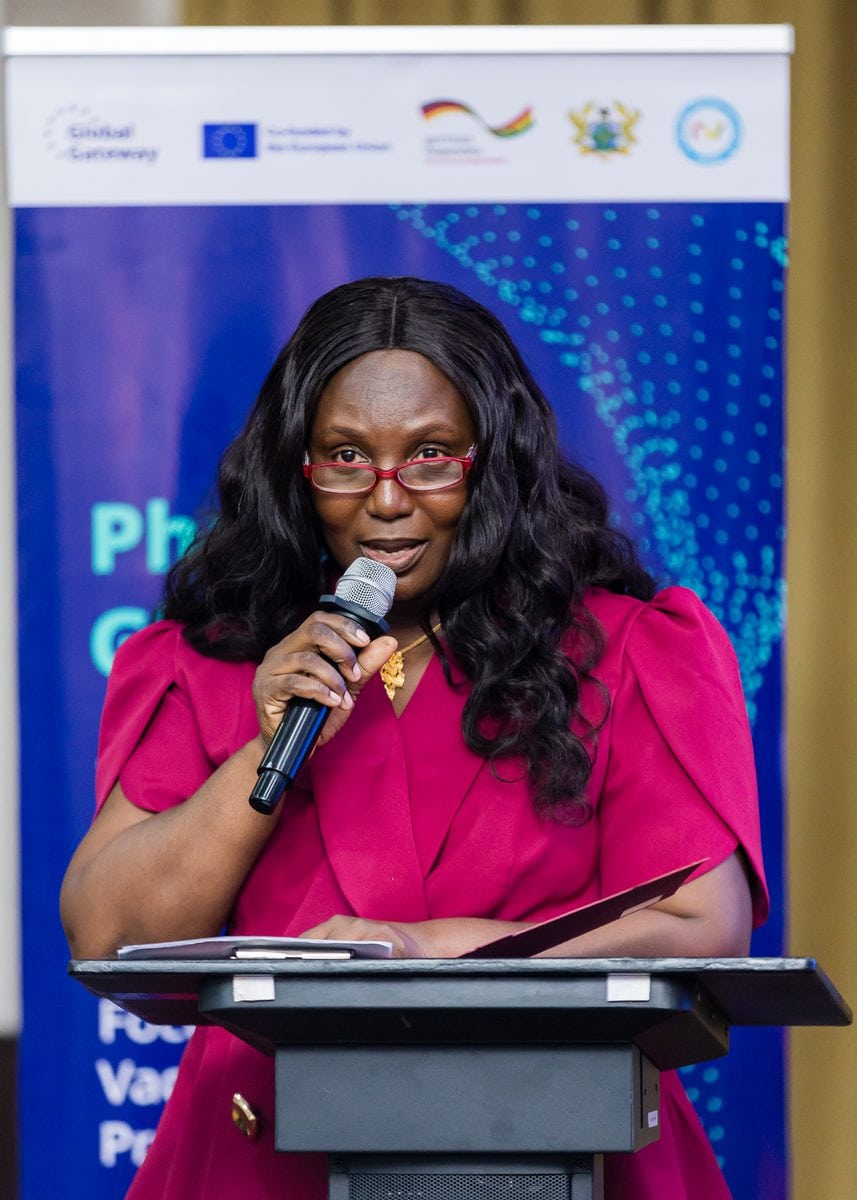
“No country has built a strong pharmaceutical industry without effectively linking its research institutions to its manufacturing base. Science alone does not create impact. Industry alone does not create innovation. It is the connection between the two that drives real transformation.”
Hon. Kwabena Mintah Akandoh, Minister of Health of the Republic of Ghana, stressed that the initiative marks more than the presentation of grants.
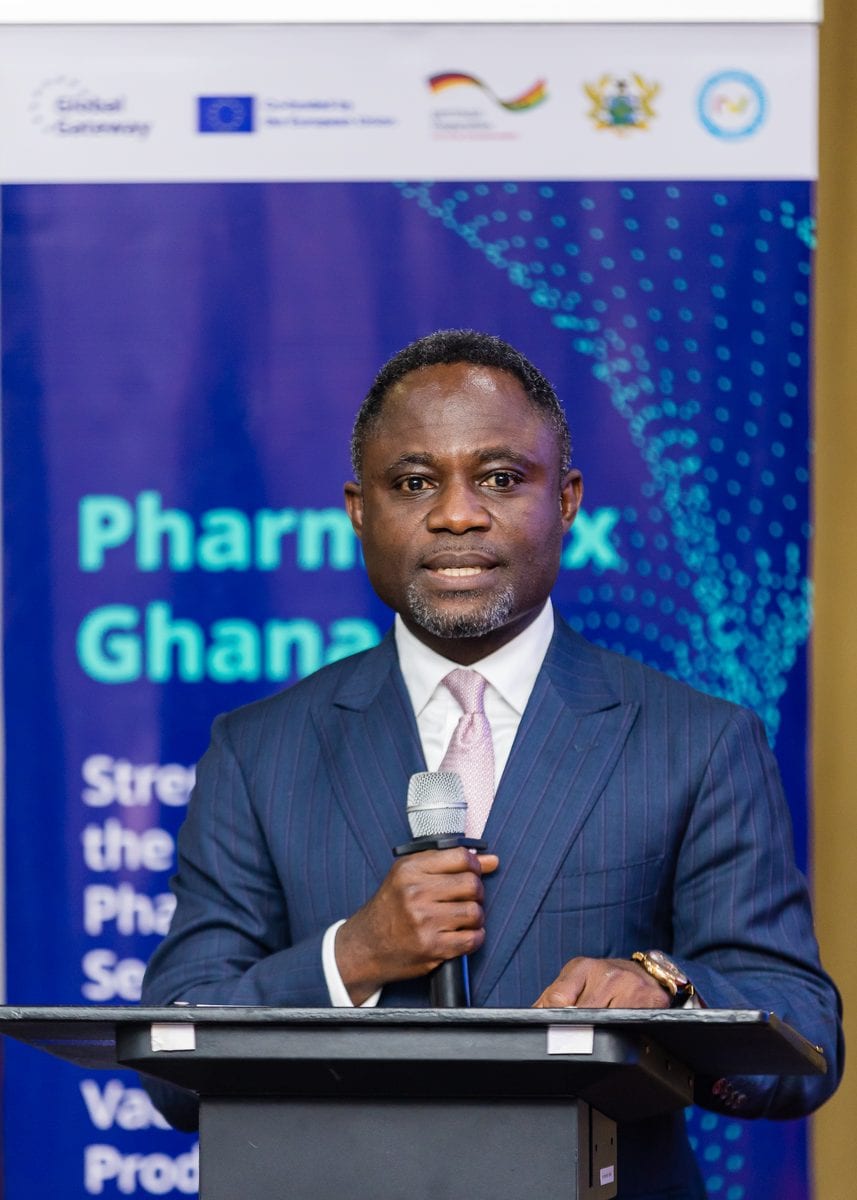
“This ceremony marks the beginning of an important journey – a journey that brings researchers, manufacturers, government and international partners together to transform scientific discoveries into medicines and vaccines that save and improve lives.”
Dr. Sodzi Sodzi-Tettey, Chief Executive Officer of the National Vaccine Institute, highlighted the importance of connecting Ghana’s research excellence with local manufacturing capabilities.
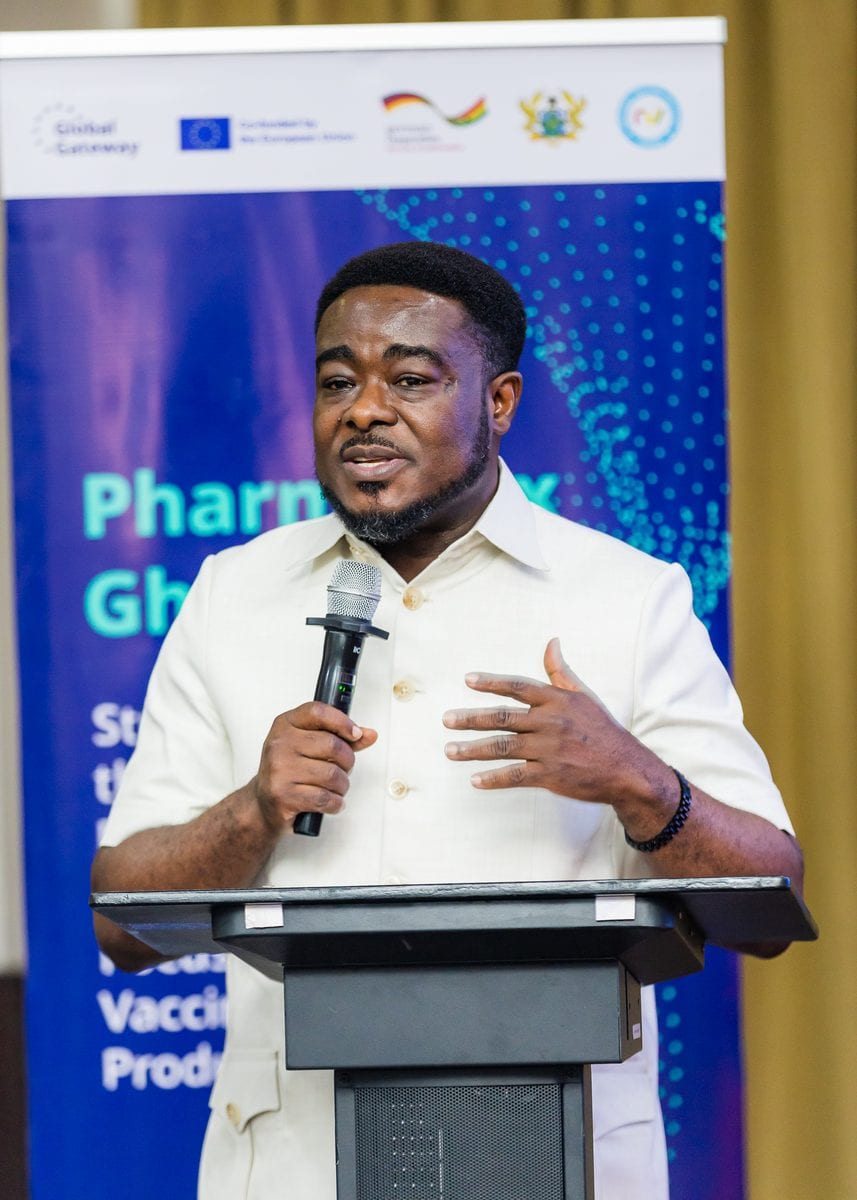
“Ghana has the scientific talent, the research institutions and an increasingly capable pharmaceutical industry to develop health solutions that respond to our own priorities. By bringing these strengths together, we are creating the foundation for medicines and vaccines that are developed in Ghana, manufactured in Ghana, and have the potential to benefit the wider region.”
By investing in research, innovation and collaboration, the grants contribute to Ghana’s vision of building a resilient pharmaceutical sector, strengthening health security and expanding local manufacturing capacity for medicines and vaccines as a strategic industry for Ghana’s economic development.
The Awarded Projects
The Kwame Nkrumah University of Science and Technology, in partnership with Aspee Pharmaceuticals Ltd. and the Ghana Atomic Energy Commission, has been awarded €300,000 in grant funding, complemented by €150,000 in own contributions. The project aims to optimise a locally developed herbal pain medicine for scalable and sustainable local manufacturing.
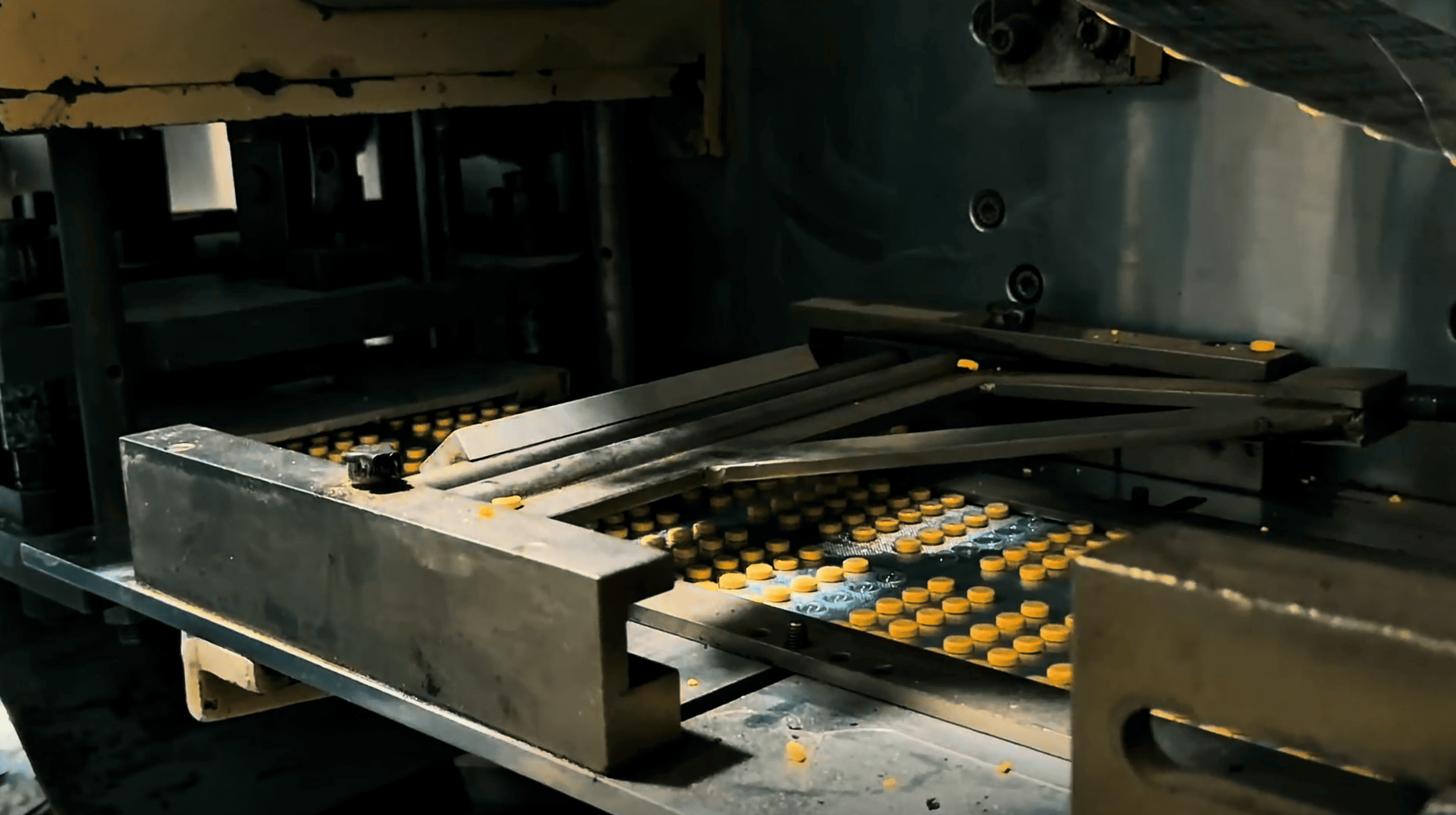
The University of Cape Coast, in collaboration with Kash Chemist Ltd., has received €100,000 in grant funding, with an additional €10,000 in own contributions. The project will develop a fast-dissolving oral tablet for the treatment of malaria in children, improving accurate dosing and treatment adherence.
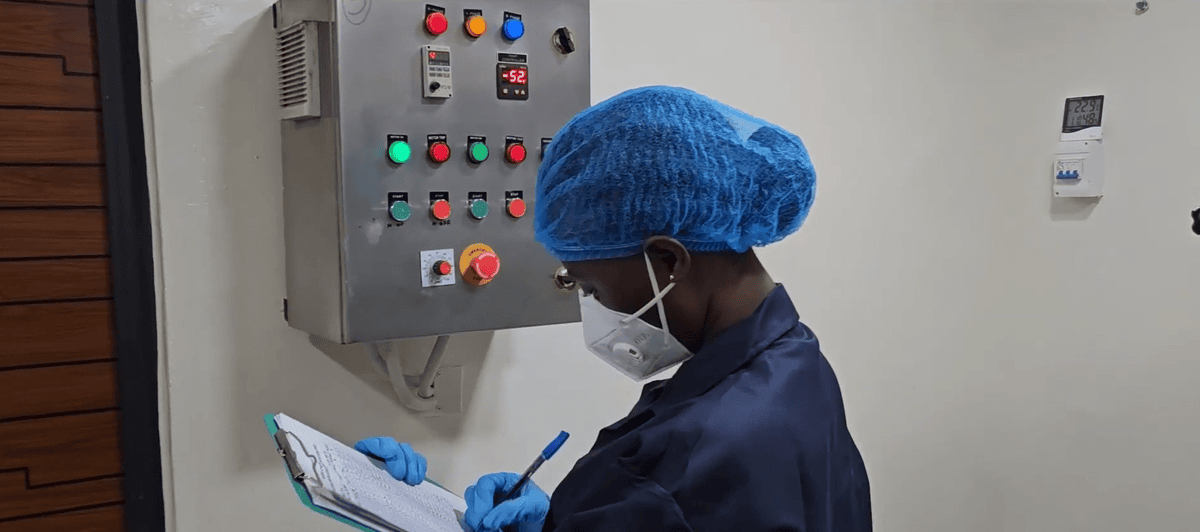
The Noguchi Memorial Institute for Medical Research, University of Ghana, together with Atlantic Lifesciences Ltd., has secured €500,000 in grant funding and €47,000 in own contributions. The project will generate stability data to support regulatory approval and strengthen the reliable local production of tetanus-diphtheria vaccines and tetanus antitoxin.
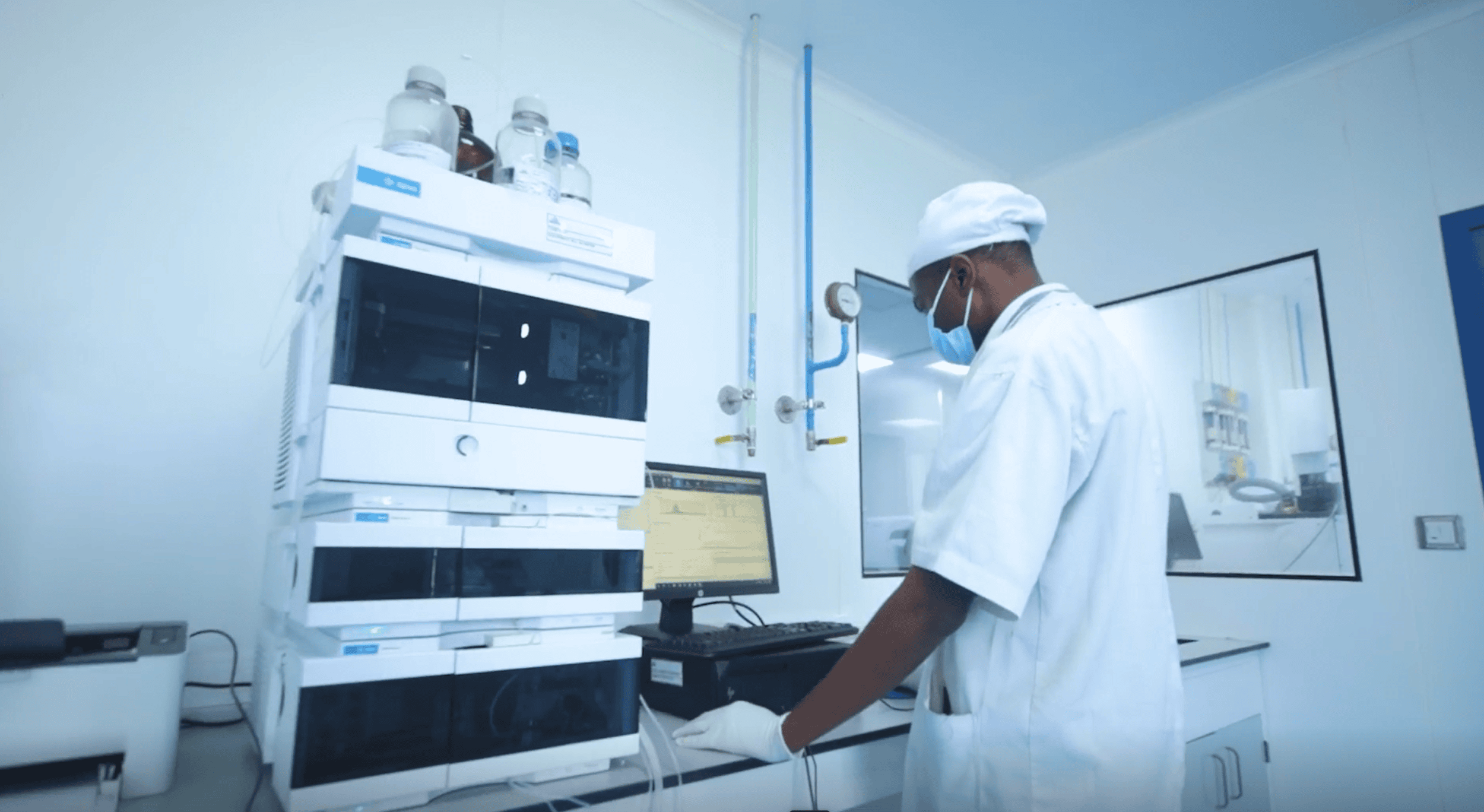
The Council for Scientific and Industrial Research – Water Research Institute (CSIR-WRI), working with Kantanka Herbal Pharmaceuticals and Research Centre Ltd., has been awarded €125,000 in grant funding, alongside €20,000 in own contributions. The project seeks to generate scientific evidence on the safety and effectiveness of herbal treatments for alcohol-related liver disease while supporting their scale-up for local production.
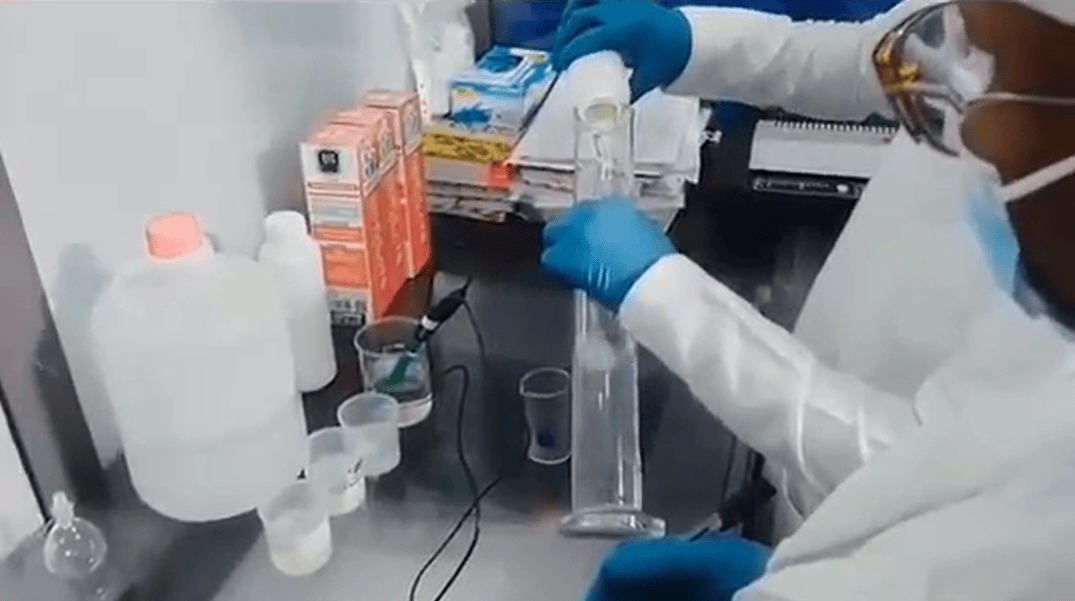
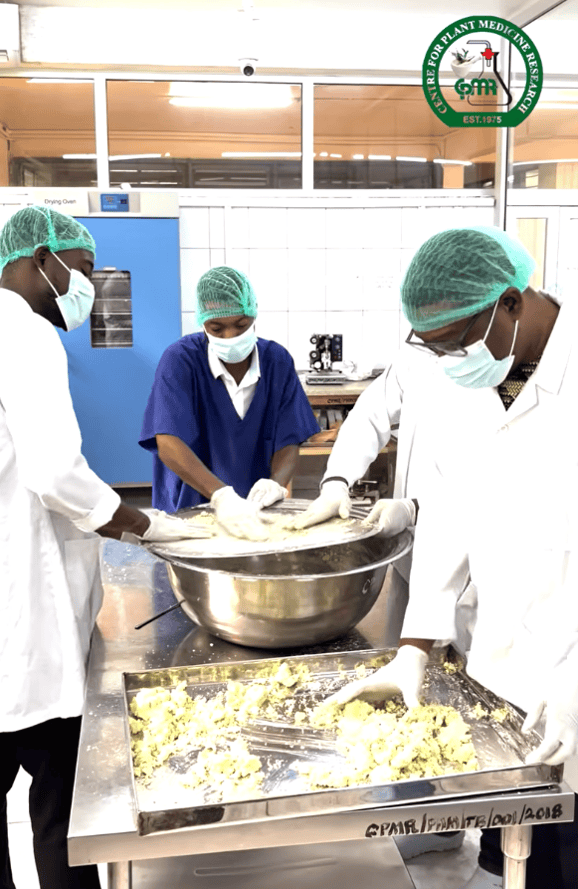
The Centre for Plant Medicine Research (CPMR) is implementing two projects in partnership with Dodowa Health Research Centre and Atlantic Lifesciences Ltd., supported by €340,000 in grant funding and €37,000 in own contributions. One project will evaluate the safety and efficacy of an affordable locally developed herbal product for prostate health through a clinical trial, while the second will generate stability data to support regulatory approval of a locally produced snake venom antiserum with an extended shelf life.
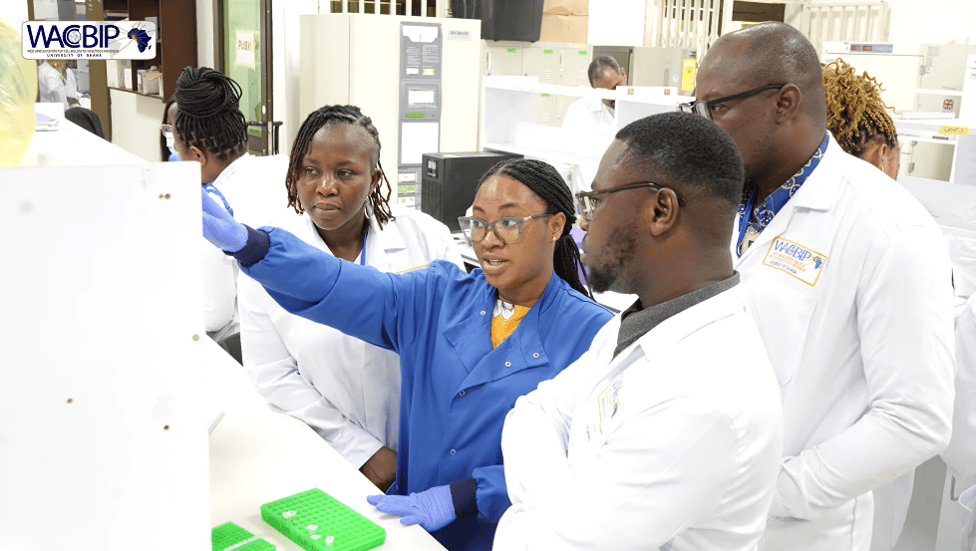
The West African Centre for Cell Biology of Infectious Pathogens (WACCBIP) at the University of Ghana, in collaboration with DEK Vaccines Ltd., minoHealth AI Labs Ltd., and INCAS Diagnostics & Services Ltd., has been awarded €300,000 in grant funding, with €40,000 in own contributions. The project will use a Ghanaian artificial intelligence platform to design and scale up monoclonal antibodies and diagnostics for Mpox and malaria, while strengthening local manufacturing capacity.
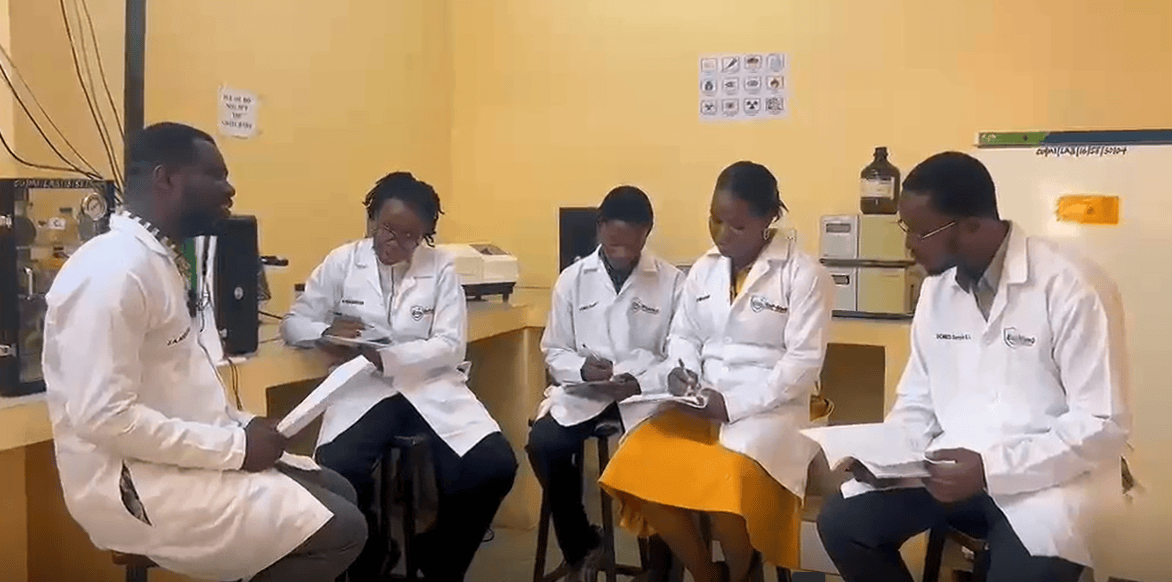
Central University, in partnership with Ernest Chemists Ltd., has received €250,000 in grant funding and will contribute €30,000 towards the project. The initiative will develop and validate standardised herbal treatment for hypertension, preparing it for large-scale local production.
What is Next
The award ceremony marks the beginning rather than the end of the journey. Over the coming years, the eight project teams will work to turn promising research into tangible health solutions – from clinical trials and regulatory processes to products that can be manufactured at scale. The PharmaVax Ghana programme will accompany the project teams with a series of technical workshops to strengthen e.g. further resource mobilisation and research commercialisation capabilities.
The ambition goes beyond individual projects. By bringing researchers and pharmaceutical manufacturers together, the initiative aims to strengthen the connections needed for Ghana to develop, produce and ultimately commercialise more medicines and vaccines locally.
If successful, today’s research could one day translate into a child receiving a more suitable malaria treatment, vaccines produced in Ghana, or Ghanaian pharmaceutical companies bringing new products to markets across West Africa.
This is the longer-term vision behind Research Meets Manufacturing: connecting Ghana’s scientific expertise and manufacturing capacity to create health solutions made in Ghana, for Ghana – and with the potential to reach patients across the region.
PharmaVax Ghana (GIZ)
October 2026