

Delivering safely and with dignity: Closing the water, sanitation and hygiene gap in health care facilities
Genet Gebru (right), a midwife from Ethiopia, is one of five protagonists in the documentary film Wise Women © Nikolaus Geyrhalter Filmproduktion GmbH
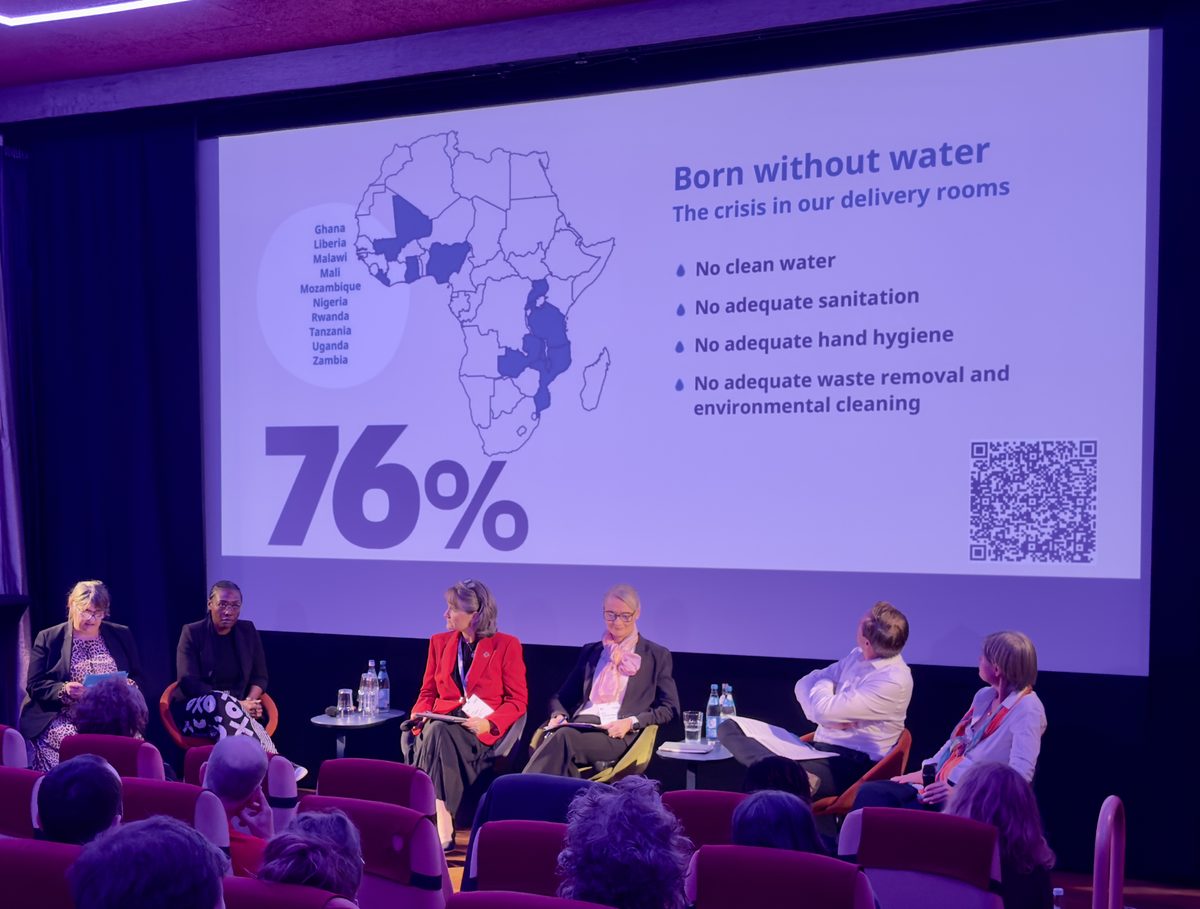
Every year some 17 million women in the world’s poorest countries deliver babies in health care facilities with inadequate water, sanitation and hygiene (WASH), thereby increasing their risk of maternal sepsis. An event on the sidelines of the World Health Summit combined hard evidence with powerful storytelling to make the case for closing the WASH gap in health care facilities.
Worldwide, more women than ever before are giving birth in health care facilities with the assistance of midwives and other skilled birth attendants. The increase in institutional delivery rates is one of the factors that has contributed to reductions in maternal deaths over the past two decades. But coming to a health care facility to give birth does not guarantee that a woman will have a safe and dignified delivery. Far too many hospitals, clinics and health posts lack the basic water, sanitation and hygiene (WASH) services crucial for preventing infections that can lead to sepsis – the third most common cause of maternal death. In 2025, one fifth of health care facilities in the world’s least developed countries had no water services at all and fewer than half had handwashing facilities located close to toilets and points of care.
Apart from the direct health risks posed by this missing WASH infrastructure, there is also a fundamental question of dignity and respect: no one should have to give birth – or to support someone through a delivery – in conditions that are dirty, where there is no access to soap and water or functioning toilets.
Why does this situation persist, and what can be done about it? These questions were at the heart of an event entitled ‘When it’s time to deliver, can health systems too?’ held on the sidelines of the World Health Summit in Berlin on October 11, 2026. The session was organised by WaterAid, Amref Health Africa Deutschland, the Deutsche Stiftung Weltbevölkerung (DSW) and the Deutsche Gesellschaft für Internationale Zusammenarbeit (GIZ) on behalf of the German Federal Ministry for Economic Cooperation and Development (BMZ).
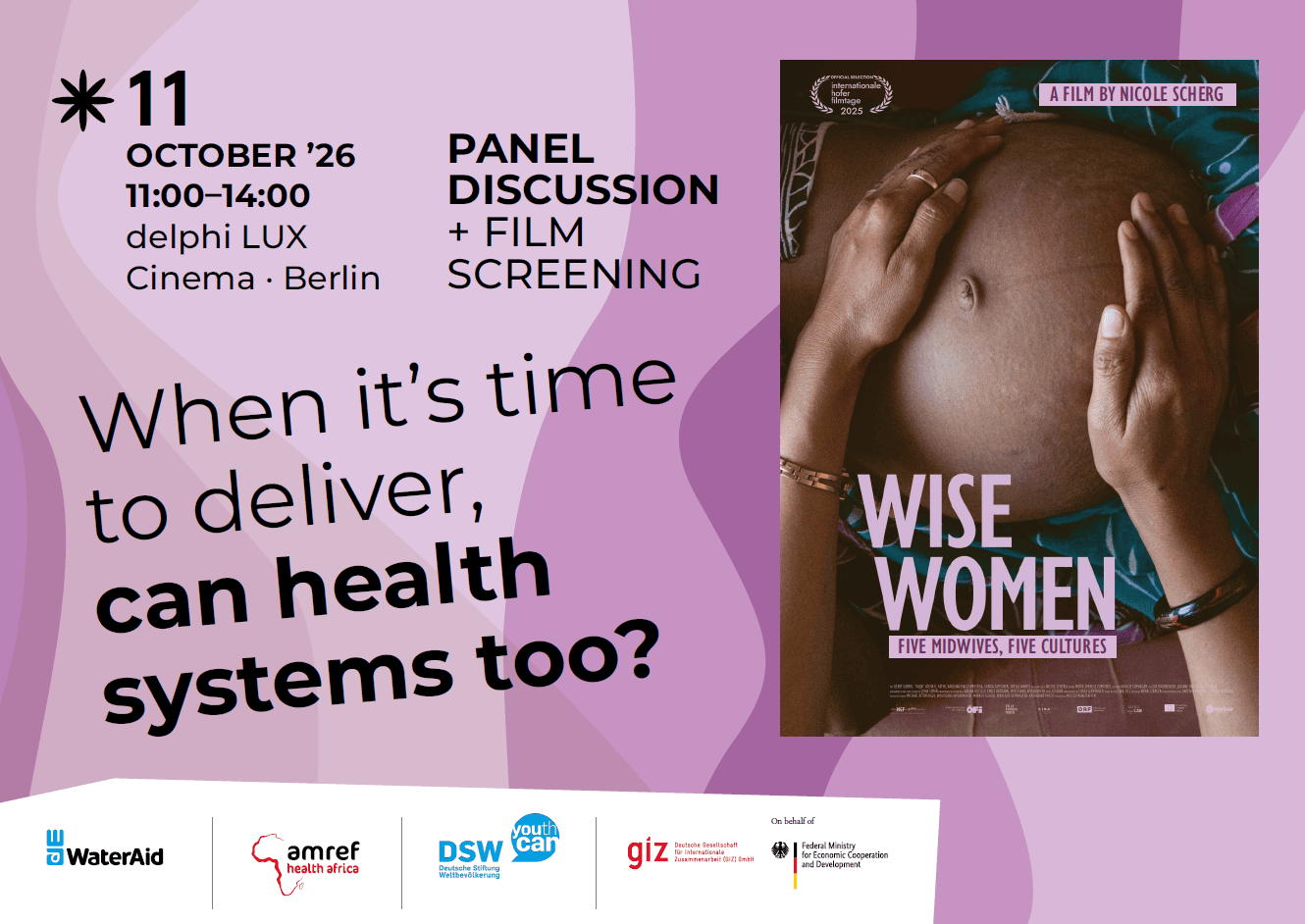
Combining a panel discussion and a screening of the documentary film Wise Women, the event highlighted why bringing the water and health agendas closer together is both a smart investment – preventing infections is far cheaper than treating them – and essential for fulfilling a woman’s right to access respectful, good quality maternity care.
Growing attention, but an urgent need to do more
The topic of WASH in health care facilities has been rising on the international agenda since 2018, when the UN Secretary General issued a global call to action. In 2023, the UN General Assembly adopted a resolution calling upon countries to integrate WASH, waste management and electricity services into national health policies and planning, to cost and finance these plans, and to track the availability of WASH services.
Governments around the world have been responding, according to Hannah Neumeyer of WaterAid, which recently published Born without Water, a report consolidating evidence about how the lack of WASH in health care facilities is endangering women’s lives:
‘More than 100 countries now monitor the availability of water, sanitation and hygiene services in their health facilities. The evidence base is there, and it’s getting stronger every year.’
Hannah Neumeyer, Water Aid
‘At the same time, less than half of these countries have costed roadmaps to close WASH gaps, and only 14 per cent of them have allocated national financing and budgets to implement these plans,’ she continued. In other words, while it’s become much clearer what needs to be done and where, there’s a need for more action. This means political prioritisation – and also investment. The latter is challenging: many of the countries with the greatest needs are highly indebted, traditional development cooperation partners are scaling back budgets, and global health initiatives thus far pay only limited attention to WASH.

WASH services in health care facilities can reduce the incidence of maternal sepsis by as much as half, saving lives and reducing pressure on strained health budgets. They are therefore also a fundamental component of quality sexual and reproductive health and rights (SRHR) services.
Against this backdrop, integrating WASH into health programming is an opportunity to do more with less. It is estimated that it would only cost about USD 0.60 per person, per year, to provide universal, basic WASH services in health facilities across the 46 least developed countries in the world. ‘WASH is a critical component of every health care system,’ said Hannah Neumeyer. ‘Health care facilities need the resources to keep the people who use them healthy and safe.’
Beyond the statistics are real people and experiences
It’s one thing to hear statistics about health system resourcing and another to be immersed in health care settings. Participants at the event had the chance to do exactly this during a screening of Wise Women, a documentary film which follows five midwives in Austria, Brazil, Ethiopia, Morocco and Nepal as they support women before, during and after delivery. The film conveys how physically and emotionally demanding the work of midwives is, and how much responsibility they shoulder for the well-being of women and babies, often for very low pay and limited recognition.
In conversation with Corazon Aquino, the director of partnerships for Amref Health Africa, the filmmaker Nicole Scherg explained that she set out to make a film about the one thing that connects all of us – regardless of who we are and where we grow up – and that is birth. ‘I discovered that birth is universal, but the conditions are not,’ she said. ‘The circumstances in these five countries were very different.’
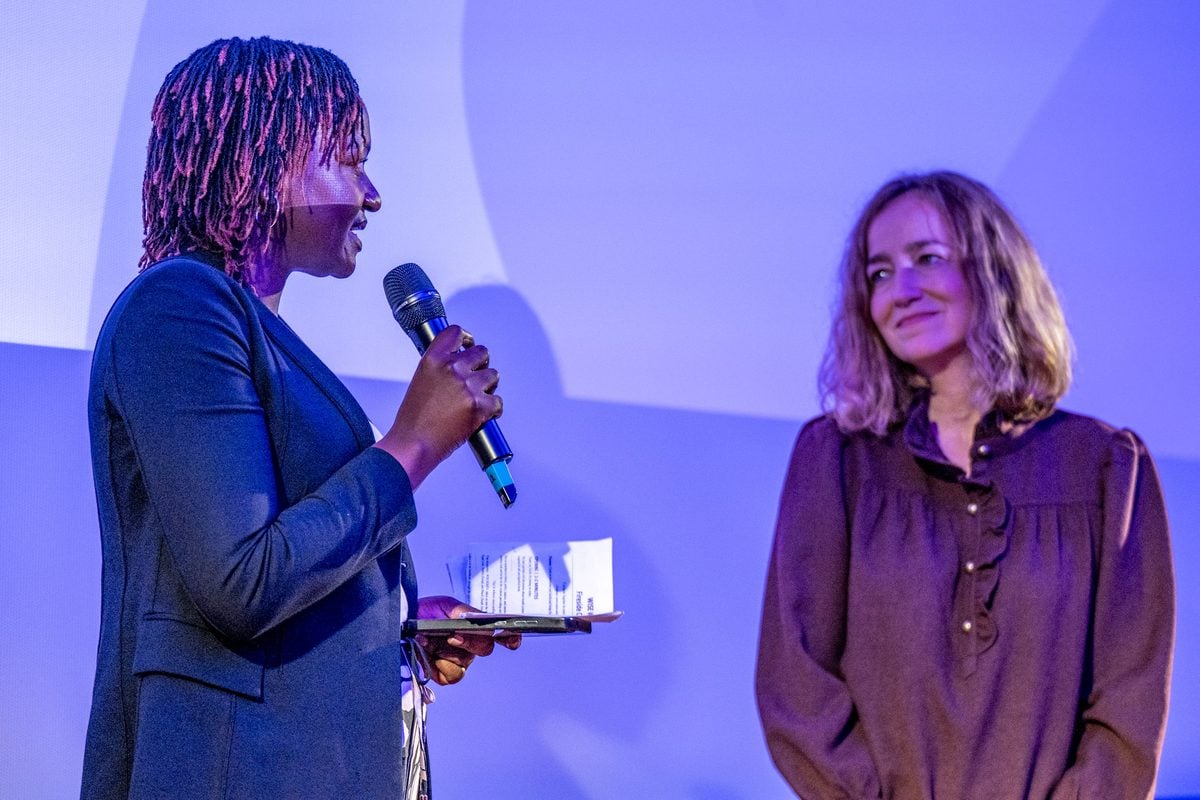
Wise Women features midwives who work in modern hospitals and who accompany home births, as well as those who work in busy urban clinics and remote health posts without running water. Regardless of the conditions in which they work, the midwives are all under great pressure because they don’t have enough support to do their work, Nicole Scherg explains:
‘Midwives may support women to give birth, but the system also needs to support midwives to do that.’
Nicole Scherg, Director of Wise Women
‘The birth of a child requires the whole of society’
What can and should be done to ensure that health systems offer midwives and other health care workers adequate conditions in which to do their jobs and to give every baby the healthiest possible start to life?
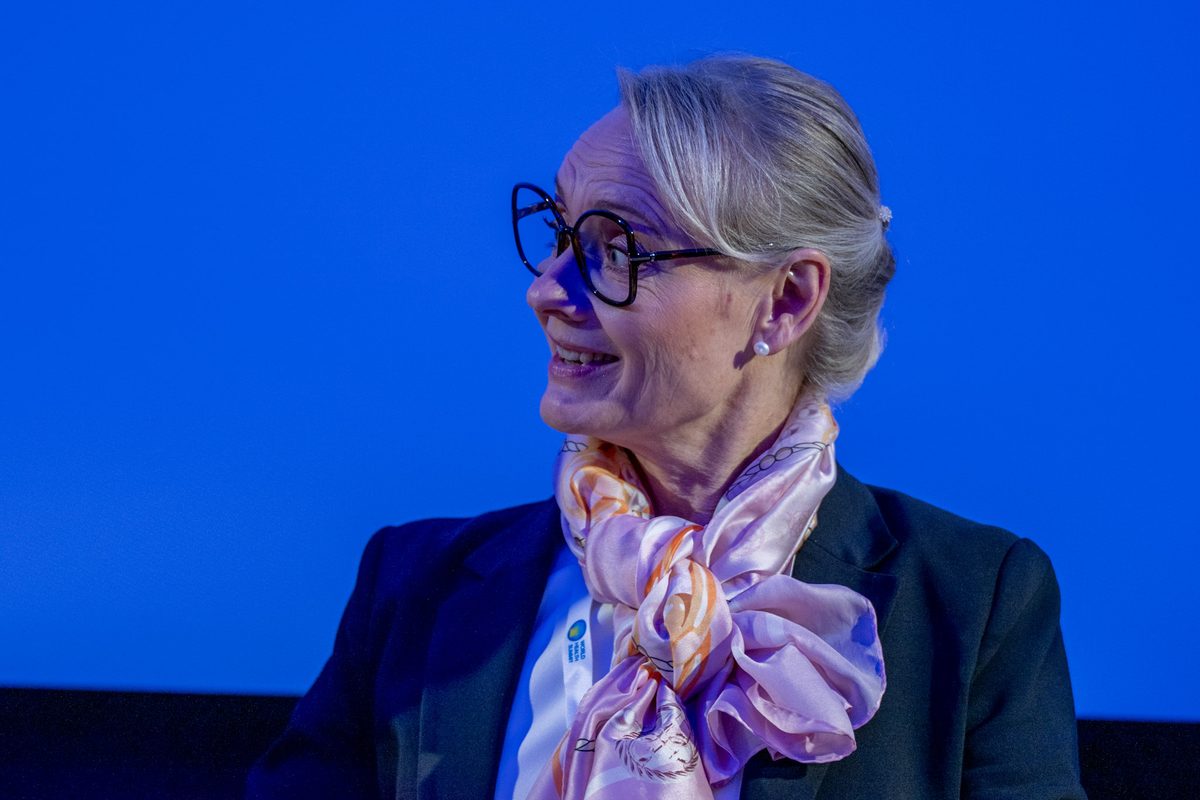
In a panel discussion moderated by Ludi Schlageter of DSW, experts brought in perspectives from a range of vantage points. For Karin Tegmark Wisell, the Swedish Ambassador for Global Health, translating commitments into action requires persistence and long-term investments. ‘There are no quick fixes. Health systems as a whole need to be strengthened, including workforce, supply chains, WASH services and community engagement,’ she said. This demands collaboration at every level, aligned behind country-led systems and national needs. ‘The birth of a child requires the whole of society,’ she reminded the audience.
Strengthen midwifery education and voice
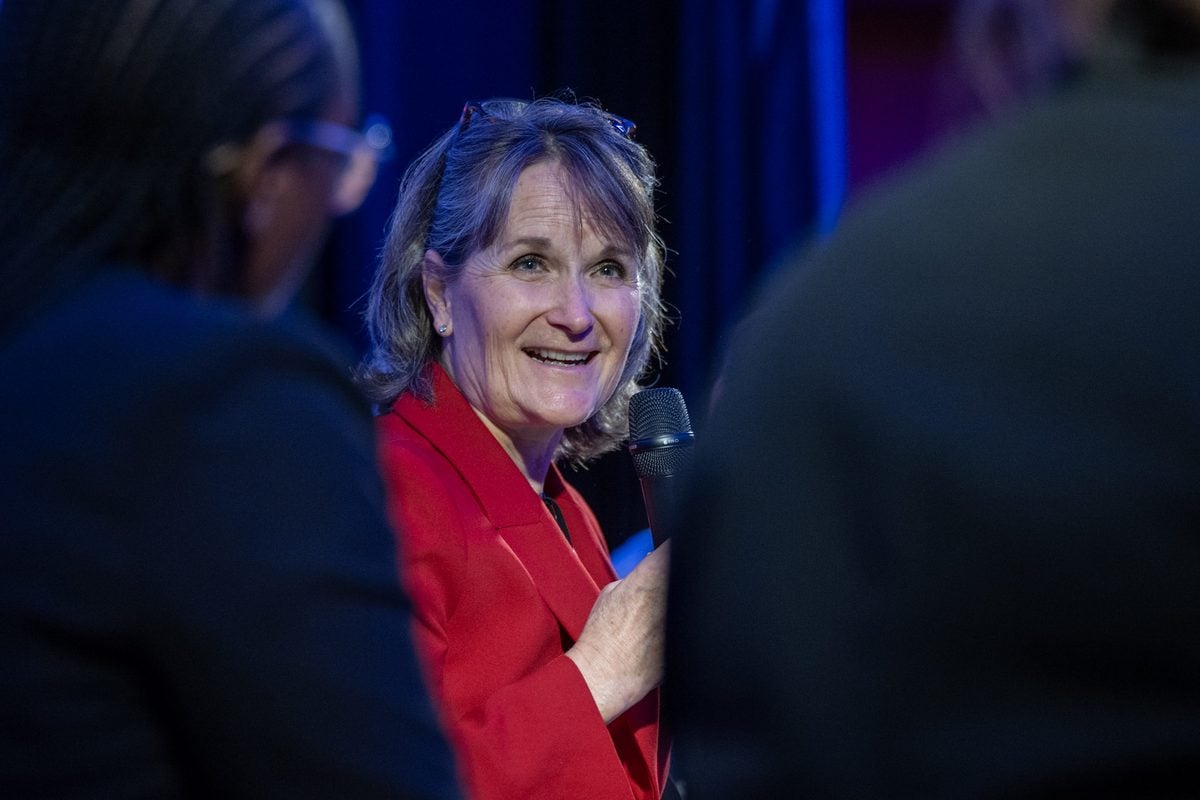
Anna uf Ugglas of the International Confederation of Midwives (ICM) emphasised the role of solid midwifery education, in line with international standards, in ensuring that midwives know and observe hygiene and infection prevention protocols. At the same time, it is essential that midwives are engaged in discussions about WASH systems, alongside other health care workers. ‘If midwives lack access to water and sanitation, other health care professionals working in the same facility will face the same problems.’ Obstetricians and gynaecologists, nurses, paediatricians and neonatologists also provide care to women before, during and after childbirth, she pointed out. ‘We must work together to support national and local initiatives and strengthen teamwork.’
Sexual and reproductive health services should not depend on individual discretion
Namakando Simamuna, a technical advisor with MSI Reproductive Choices Zambia, spoke about the enabling environment for the delivery of sexual and reproductive health services.
‘One of the most important factors is legislation that guarantees access to services and does not leave essential decisions to chance.’
Namakando Simamuna, MSI Reproductive Choices Zambia
For instance, services for adolescents and young people too often depend on the discretion of individual health workers. ‘An adolescent might visit a health facility and receive excellent care from a progressive midwife. When she returns, however, there is no guarantee that she will receive the same level of care.’ While services are provided for in principle, implementation is inconsistent, she explained.
The same is true for other aspects of the health system. For example, in rural areas, the availability of essential commodities, such as medications or contraceptives, is often affected by operational processes and last-mile distribution. Investments in WASH facilities may be left up to local councils. Fluctuations in priorities and conditions affect continuity of care. ‘We need legislation that protects the health and wellbeing of women and girls and provides a consistent basis for service delivery,’ said Namakando Simamuna.

Cross-sectoral collaboration and a more expansive view of health
At a time when decision-makers everywhere are confronted with the need to make best use of limited resources, the question is not just about how much money is available but where it is spent. Andreas Schaumayer, the Head of Division for Food and Nutrition Security, Water at BMZ, described WASH as ‘clearly an area where investment can deliver substantial benefits,’ adding: ‘We must also ask why these investments do not always receive the attention they deserve. One conclusion is: what is not measured cannot be improved.’
Andreas Schaumayer spoke about the importance of WASH monitoring and national data collection for measuring both service needs and progress in meeting them. In addition, stronger collaboration between responsible ministries is required. Different authorities are often responsible for health service delivery and for the provision of water, sanitation and waste management.
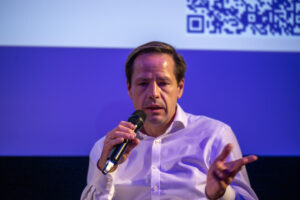

From her vantage point as the head of the GIZ-implemented health program in Nepal, Ruth Schumacher spoke about the need for a holistic approach to health as the foundation of social and economic development. This means investing in prevention – including via WASH – and going beyond the conventional sector boundaries.
As an example of this, she described GIZ’s work supporting the Ministry of Health and Food Safety of Nepal to improve birth registration rates by training midwives to collect birth data and submit it digitally to civil registration authorities. ‘Midwives can be important allies in helping women navigate these systems,’ she said:
‘Strengthening health systems and local administrations can help protect women’s rights and improve children’s access to essential services.’
Ruth Schumacher, GIZ Nepal
Time to elevate WASH and health on the global agenda
The upcoming United Nations Water Conference provides an opportunity not only to create new commitments, but also to accelerate delivery of those already made: supporting countries to develop and finance costed national roadmaps, strengthening collaboration between water and health ministries, and aligning international financing behind national priorities, with many countries identifying WASH in health facilities as an imperative.
Inadequate water, sanitation and hygiene in health care facilities doesn’t only affect pregnant women and babies – it affects everyone who spends time in them, whether they are health care workers, patients or their visitors. Adequate WASH is also fundamental to prevent antimicrobial resistance (AMR), which is perhaps the gravest health threat of our time, as well as to ensure infection prevention and control, universal health coverage, and pandemic preparedness.
National governments have begun to generate the evidence and the operational plans that are needed to systematically close WASH gaps. Turning these plans into action will require that WASH is treated as an integral part of health system investment, including by bilateral partners, development banks and global health initiatives, rather than as a standalone infrastructure issue.
Karen Birdsall
October 2026