

A legal identity for every baby: How heath workers are facilitating digital birth reporting in Nepal
A Female Community Health Volunteer with her daughter and grandchild © GIZ/Umong Shahi
In Nepal, a quarter of children have not had their births registered by their first birthday. An electronic birth reporting system in health facilities seeks to change this. By creating a ‘digital footprint’ for each newborn, health workers contribute to a society where all people can claim their social and economic rights.
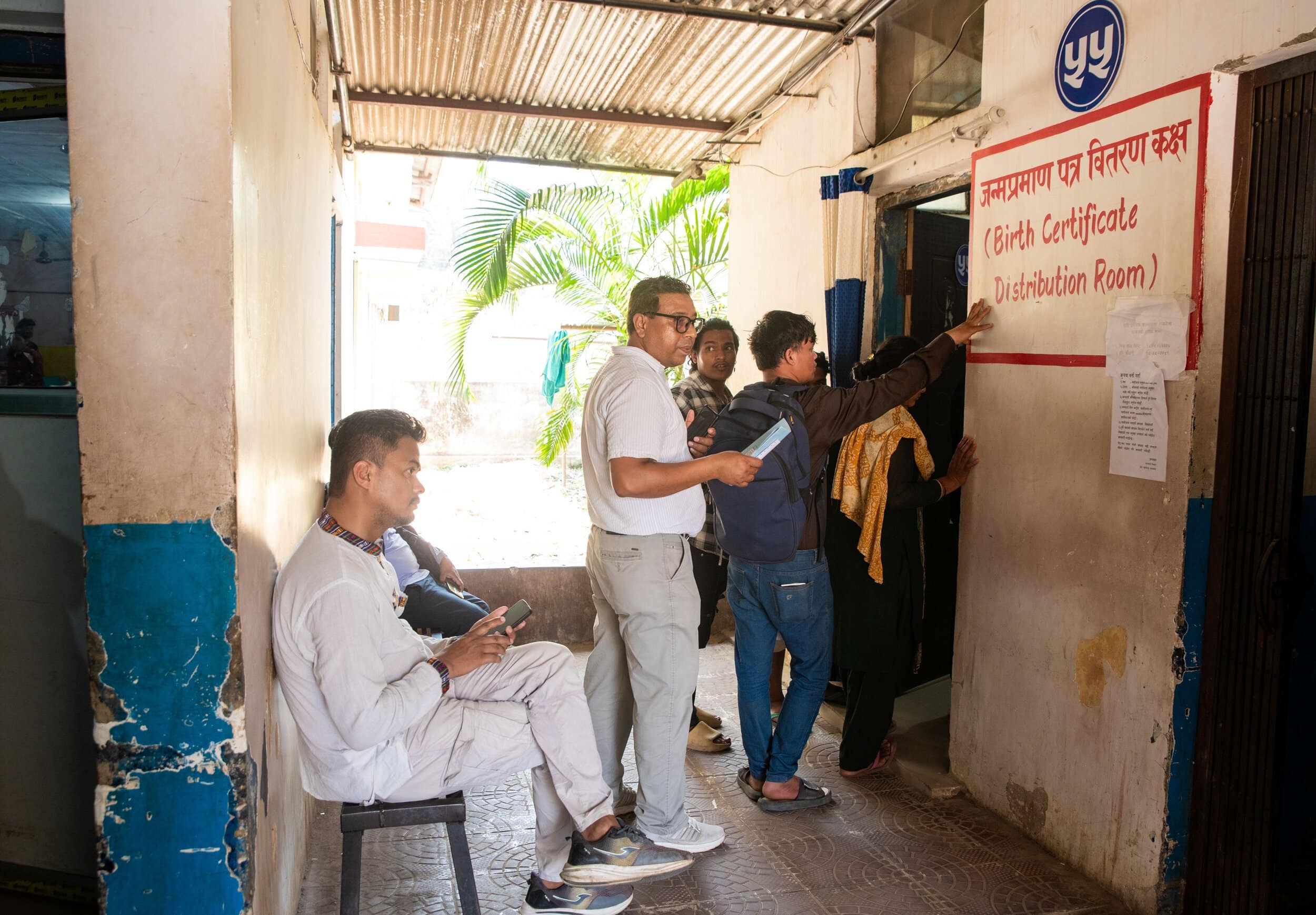
Before his sister and her newborn son could be discharged from the Nava Javeen Hospital, Naresh Oad had an important task to attend to. A nurse midwife handed him a slip of paper and told him to take it to the medical recorder’s office on the ground floor. A short time later he emerged with a digitally generated birth certificate. The first step in formalising his nephew’s legal identity was complete.
Back in the maternity ward, his sister, Durga Soni, was pleased. She hadn’t known about the hospital-issued birth certificates before arriving to deliver her baby, but after the nurses explained the process to her, she was quickly won over: ‘Every child’s birth needs to be registered later at the ward office. This certificate includes details such as where the baby was born and who the parents are.’ She continued: ‘The ward office can also access this information in their system, which makes the birth registration process much easier. I really like this!’
Durga Soni is one of more than 62,000 mothers who have already benefitted from the introduction of the Birth Record Management System (BRMS) into hospitals, birthing centers and health posts across Nepal’s Koshi, Lumbini and Sudurpashchim provinces. An initiative of the Ministry of Health and Food Safety, and supported by the German Federal Ministry for Economic Cooperation and Development (BMZ), the web-based BRMS acts as a digital bridge between health facilities and the country’s civil registration system, replacing the earlier paper-based procedures. By capturing babies’ details directly at birth and transmitting them electronically to the local government department responsible for registering vital events, including births, health workers are part of a national effort to ensure that everyone in Nepal has a legal identity that enables them to claim their social, economic and political rights.
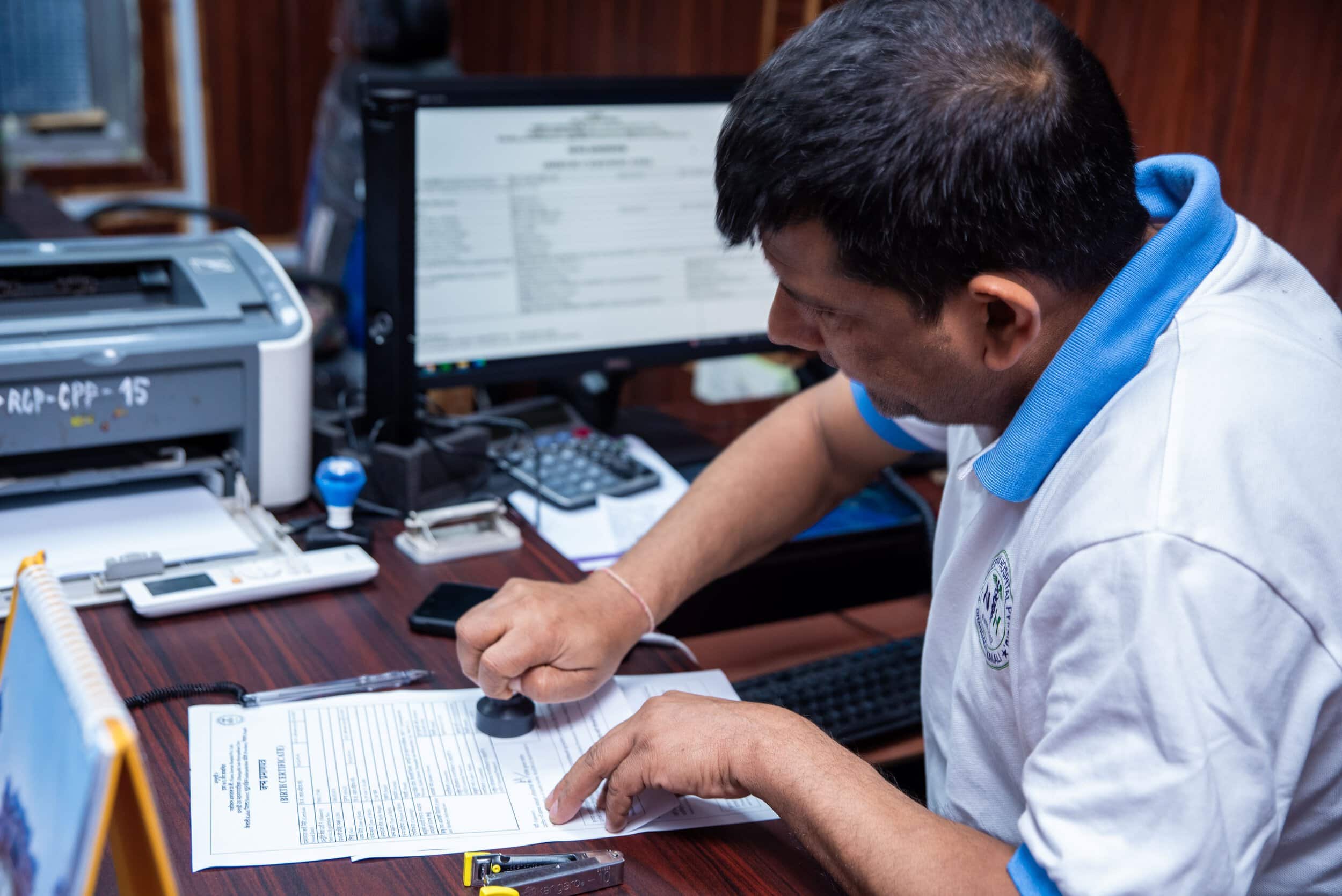
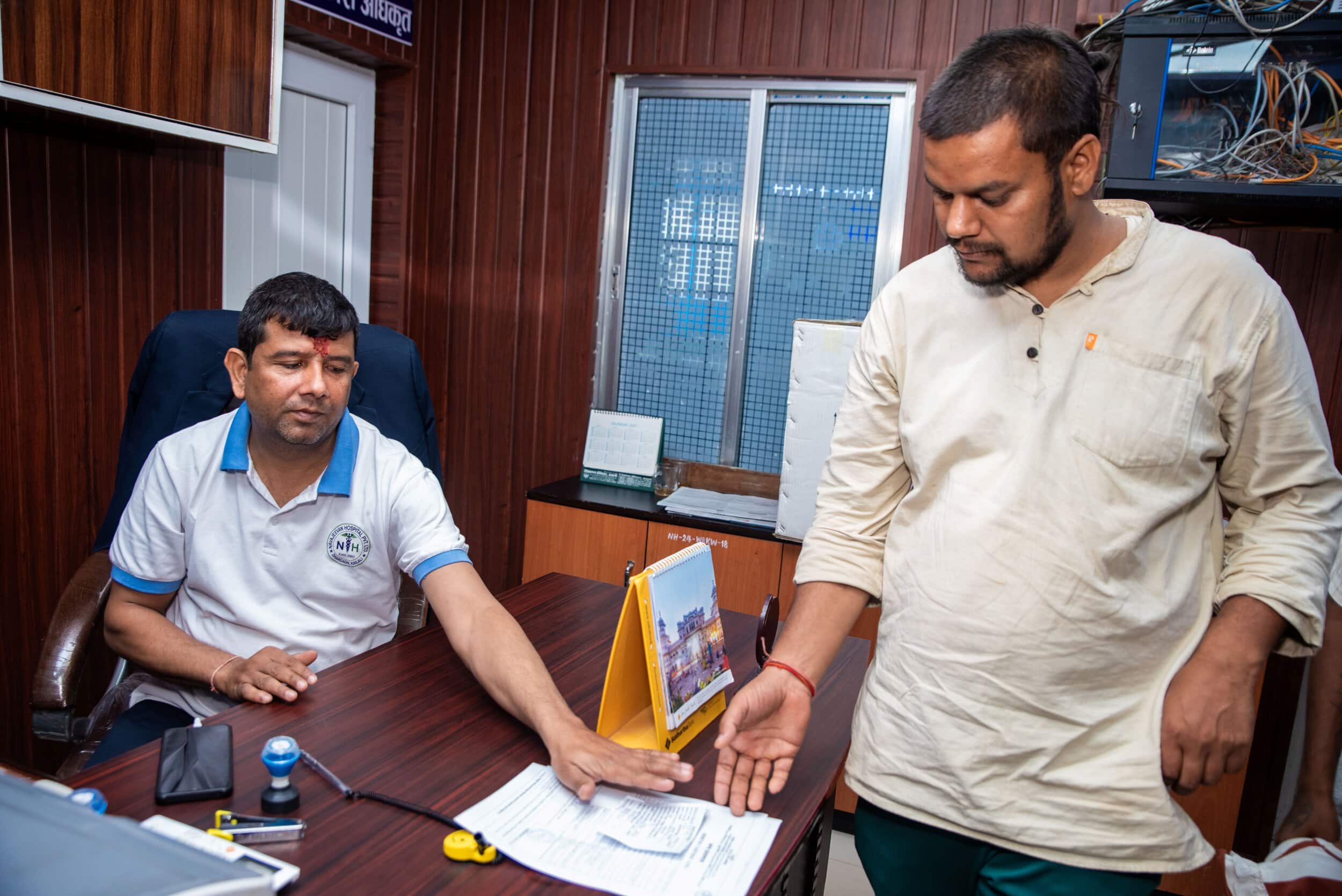
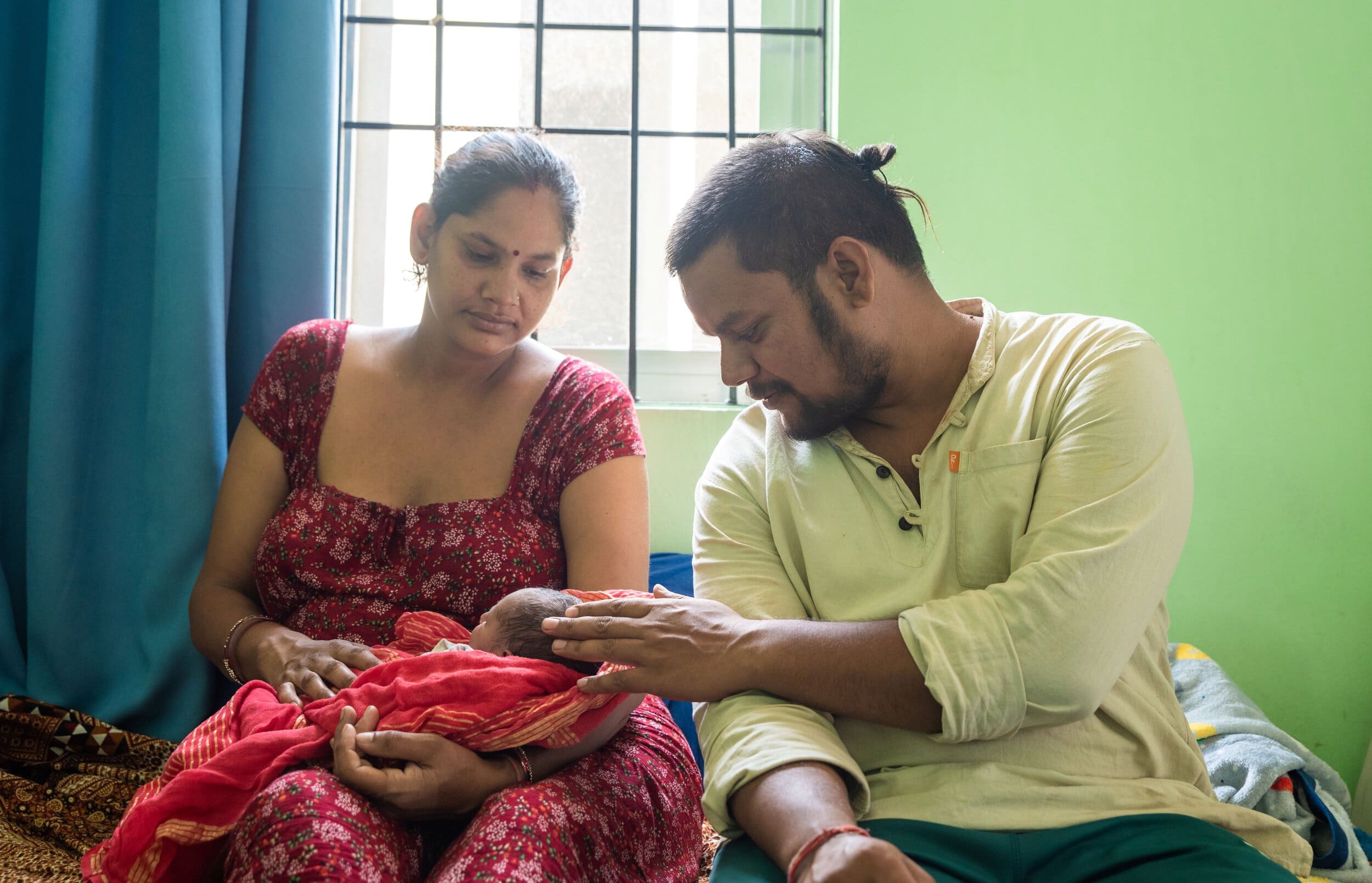
Quick and efficient: a birth certificate is issued at Nava Javeen Hospital © GIZ/Umong Shahi
Nepal works to ‘get everyone in the picture’
According to UNICEF estimates, there are 150 million children under the age of five worldwide whose births are not registered. Birth registration is a critical gateway to citizenship and to the rights and benefits thereof. When someone lacks a legal identity, they are not seen or counted by official systems. They are not taken into account in planning, or in the delivery of education, health or social services. They may struggle later in life to open a bank account, secure a driver’s license, purchase land or inherit assets. For girls in particular, legal identity is an important protection against underage marriage. It can facilitate access to justice in cases of violence, abuse or exploitation. For all of these reasons, governments worldwide have committed to achieving legal identity for all, including birth registration, by 2030 as part of Sustainable Development Goal (SDG) 16.
The government of Nepal has initiated significant reforms to strengthen and modernise its civil registration and identification systems, in line with a 2014 regional action framework that aims to ‘get everyone in the picture.’ These measures have borne fruit: as recently as 2010 only 18 per cent of children in Nepal had their births registered by their first birthdays. Now, over 70 per cent do, although proportions vary by province. This progress has been facilitated by the digitalisation of civil registration systems and the decentralisation of registration services to the local level, but also by the introduction of child grants (contingent upon proof of birth registration) for some population groups.
Despite these advances, much remains to be done. Children who live in remote areas, whose families are poor, who belong to certain castes or ethnic groups, or who are born to mothers with little or no education are more likely than others to go unregistered. Nationally, male children are somewhat more likely than female children to be registered by age five (86 per cent to 84 per cent, in 2024).
Closing the birth registration gap is therefore critical for ensuring that existing patterns of socio-economic exclusion and marginalisation are not perpetuated across generations.
Health systems as key allies in the quest for universal birth registration
By law, families in Nepal must register births within the first 35 days of a baby’s life. However, many delay this step. Some see no pressing reason to complete the registration so quickly and elect to wait until proof is required, for example, at the point of school enrolment. For residents of remote areas, making a special trip to the ward office can require a non-trivial investment of time and money. Couples who have married despite one or both parties being underage may avoid interaction with civil authorities, fearing legal repercussions. Others are simply unaware of the requirement, or the procedures for fulfilling it.
When the responsibility to notify civil authorities of a birth lies solely with family members, there is a significant risk that the event goes unregistered. This is a major reason why health systems worldwide are seen as key allies in the quest to give every child a legal identity. More than 80 per cent of births in Nepal now take place in health facilities. Designating health workers as informants – that is, as individuals who are mandated to notify the local civil authorities of the occurrence of a vital event – can help to increase birth registration rates. Health workers are well-placed to encourage new parents to register their babies’ births, to explain the benefits of birth registration, and to clarify the procedures for doing so. This is important for addressing socio-economic and gender-based inequalities in birth registration patterns.
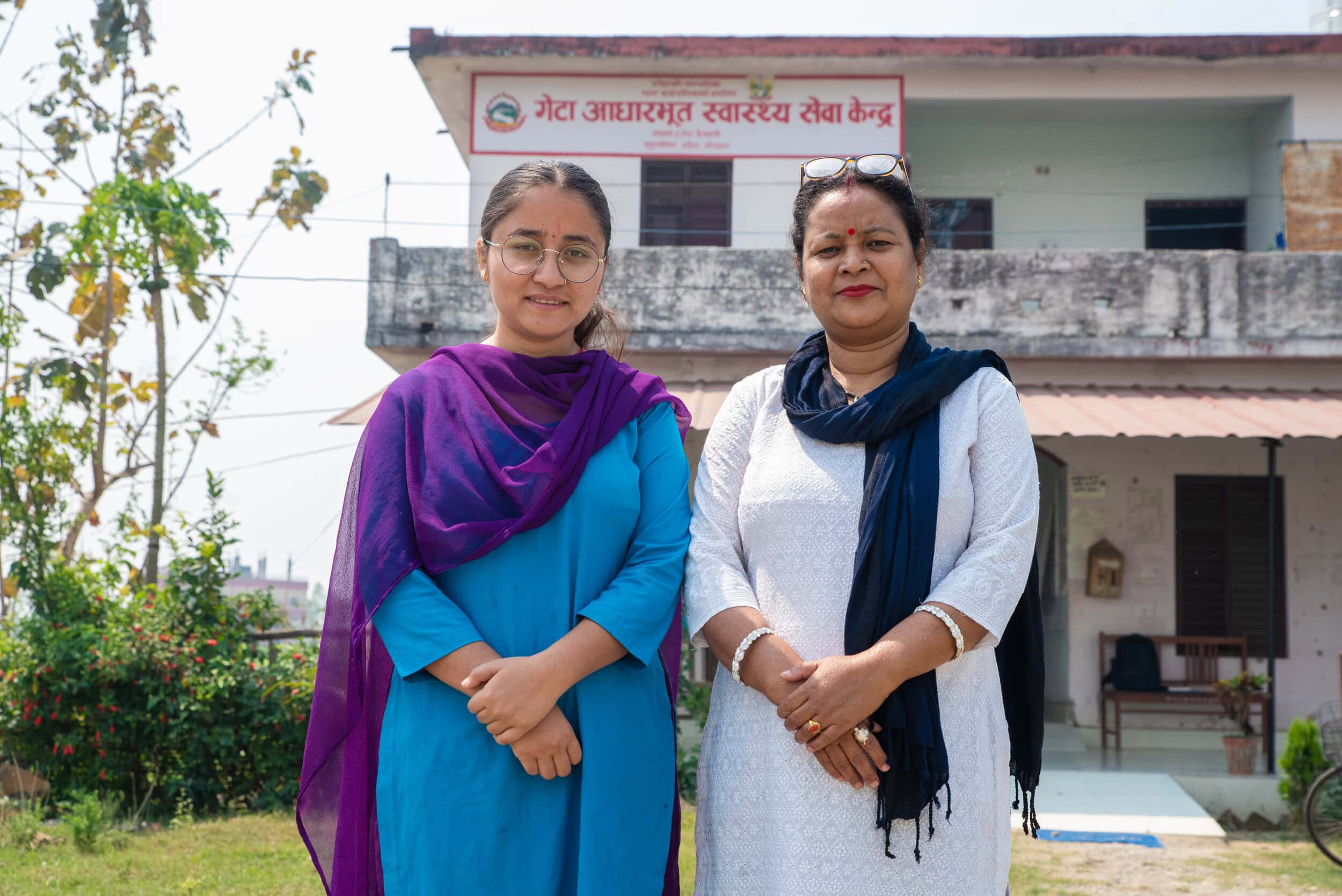
The Birth Record Management System at a glance
In 2020 the Population Management Division of the Ministry of Health and the Department of National ID and Civil Registration (DoNIDCR), which is part of the Ministry of Home Affairs, began exploring how birth reporting could be facilitated via digital linkages between health and civil registration information systems. Advisors with the Support to the Health Sector Strategy (S2HSS) project, implemented by the Deutsche Gesellschaft für Internationale Zusammenarbeit (GIZ), accompanied these discussions at a technical level.
The group spent two years clarifying work processes, information flows, needed functionalities and system ownership before agreeing a set of standard operating procedures for a new digital solution – the BRMS – which would allow birth data collected by health workers to be shared with the Vital Event Registration and Social Protection (VERSP) management information system (MIS). This is the system which Nepal’s 6,743 ward registrars use to record births, deaths, marriages, divorces and people’s migration status.
The BRMS relies upon unique identification numbers to bridge health and civil registration systems. It works like this: A nurse at a birthing center logs into the BRMS, using her username and password. She creates a birth record for a baby who has just been born and inputs the mandated information about the date and place of the birth, the parents’ names, and the type of delivery. As soon as the record is saved, the software automatically assigns it a unique number. The nurse prints out a birth certificate, aligned to World Health Organization standards, for the parents.
The electronic birth record is securely stored – as a kind of ‘digital footprint’ for the baby – in the BRMS until the parents take the printed birth certificate to their local ward office. There, the registrar enters the unique identification number from the birth certificate, and the information captured at the health facility is automatically transferred into a new record in VERSP-MIS. After the parents’ identification documents are verified, the baby is added to the national population registry and assigned a provisional national ID number. The process is complete and the parents receive a certificate of birth registration.
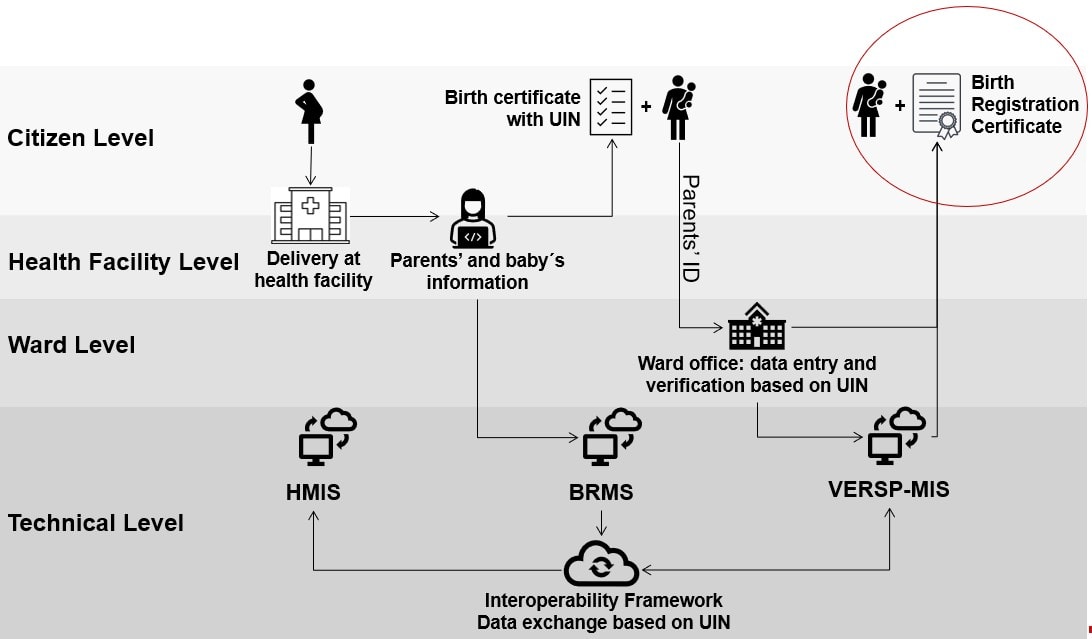
Having the information available in the BRMS saves the ward registrar time, reduces the likelihood of errors linked to double entry, and minimises opportunities for social benefits fraud (e.g. submission of falsified birth certificates). It also promotes standardisation: while in the past each hospital and health facility issued birth certificates in its own way, the BRMS sets forth uniform requirements for data entry. This means that birth certificates, regardless of where they are issued, follow exactly the same format and contain the same information.
Digitalisation reaches new cadres of health workers
A prototype of the BRMS was tested and rolled out across all 13 municipalities in Kailali District in October 2023. The Ministry of Health, with support from GIZ, trained 176 health workers from 63 public and private hospitals, health centers and birthing centers to work with the digital tool. It also provided laptops and printers, where necessary, so that health facilities could use the system.
‘The BRMS makes birth registration faster, more reliable and inclusive,’ says Kalpana Bhandari, a health advisor with GIZ. ‘At the same time, it narrows the digital gender gap by empowering predominantly female health workers to use digital tools in the workplace.’
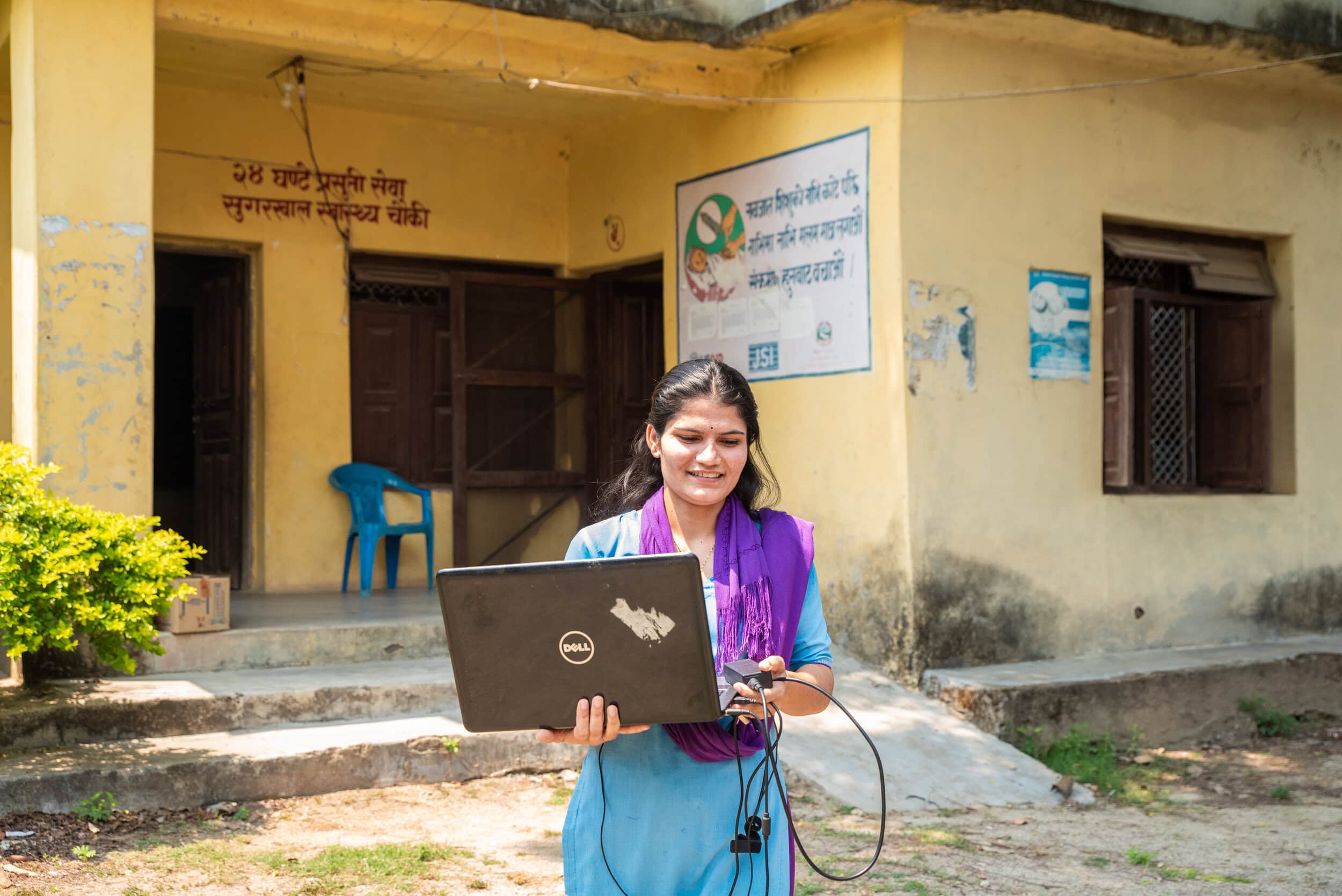
While routine health reporting is largely undertaken by facility in-charges and statisticians (who are often male), the BRMS is mostly used by nurses and midwives (who tend to be female). Many of them are using computers in the context of their jobs for the first time. Thanks to the software’s user-friendly interface, even staff who have not been formally trained are generally able to learn it, following some initial coaching by colleagues.
Beyond its ease of use, health workers see other benefits to the BRMS:
Compared to the handwritten discharge slip, this system feels more professional and standardised. It looks better. People respond positively, saying: “Oh, they provide this now!“
For us, it has also become easier because we can directly provide the document instead of writing everything manually. It feels more systematic and I like that aspect.’
Senior Auxiliary Nurse Midwife, Olani Health Post, Godawari
The main operational challenge lies not in the software itself, but in adjusting workloads and shifting responsibilities so that the birth certificates are issued in a timely manner. ‘The system is very accessible, systematic, reliable and technology-friendly. It is easy to view and edit records,’ says the Nursing Inspector at Seti Provincial Hospital. ‘The main challenge is time management.’ In busy hospitals it has proven difficult to have clinical staff handle the reporting, because the volume of patients is such that everyone is needed in the maternity ward. And in smaller health facilities where there are fewer births, but also fewer staff on duty, backlogs sometimes build up and have to be worked down during quiet periods. These challenges are compounded when the BRMS server goes down, or the connection to the Internet drops.
From a promising solution to a nationwide system
Two and a half years after the introduction of the BRMS in Kailali District, the system is regularly used in 58 of the original 63 health facilities. More than 39,000 births were reported through the BRMS between October 2023 and June 2026 in Kailali District alone.
A qualitative study, carried out with support from GIZ, found that health workers have largely embraced their role in the birth registration system. They take seriously their responsibility to sensitise pregnant women and new parents on the importance of birth registration and go to great lengths to ensure that the birth certificates that are issued are complete and correct. Nearly all the mothers interviewed in the study came to the health facilities prepared with their identification papers, having been advised by health workers ahead of time to do so. The parents interviewed were generally well-informed about the steps they need to take to complete the birth registration process.
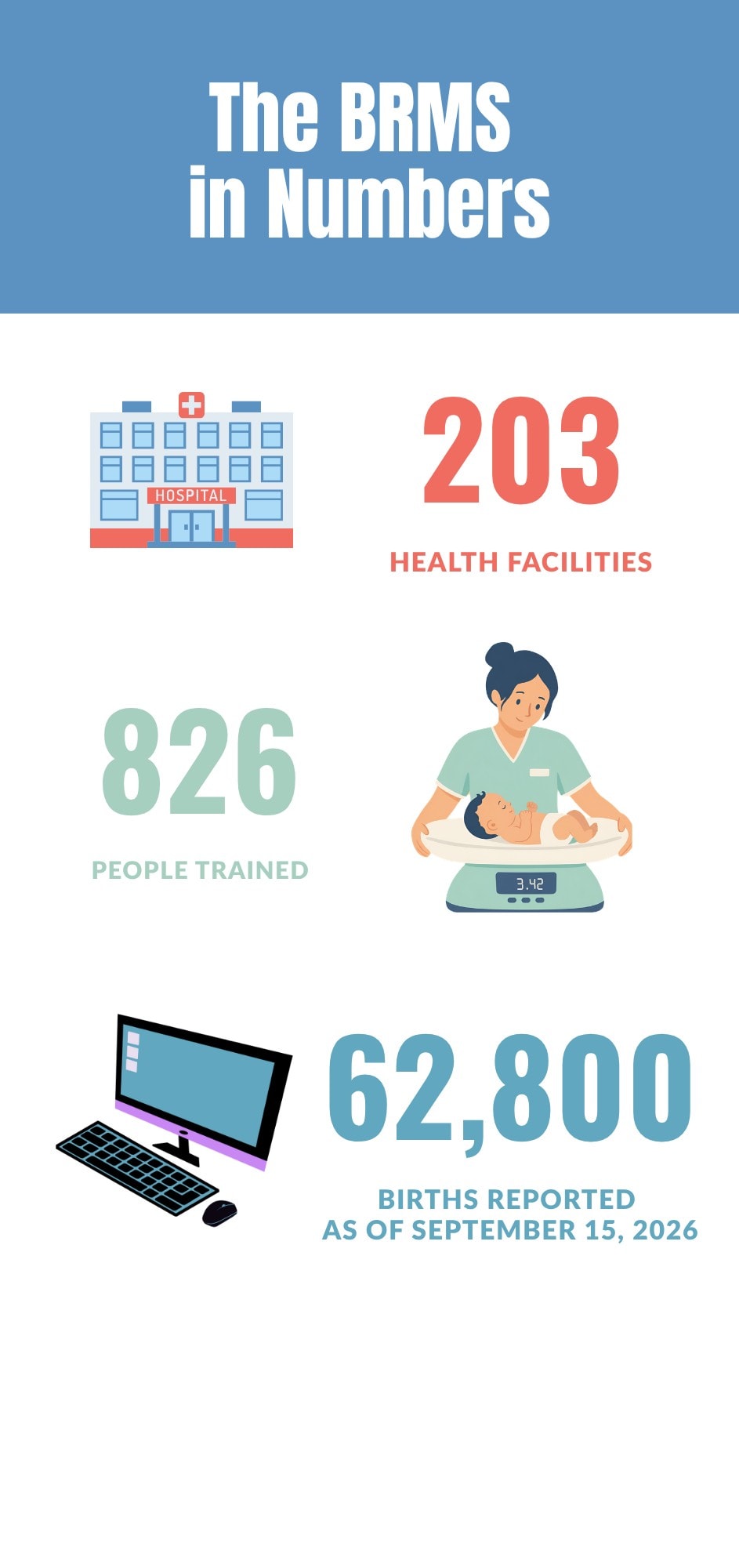
Convinced of the importance of BRMS, the Ministry of Health intends to roll it out nationwide, province by province. In 2025-2026 it allocated additional resources to extend the BRMS to three more districts in Sudurpashchim Province. It plans to cover Lumbini Province, where the Provincial Ministry of Health has already introduced the BRMS to 20 hospitals. Koshi Province, in eastern Nepal, is also coming on board, with 54 hospitals already trained to work with BRMS. GIZ supports this scaling up process by providing training on BRMS to hospital staff, birthing center personnel and municipal officials. More than 650 people were trained this year alone.
As the BRMS is extended to new areas, it will be important to strengthen coordination between the health sector and civil registration authorities at the local level so that incomplete registrations – where a baby has only a ‘digital footprint’ from the health facility – are identified and followed up. At a technical level, linking the BRMS with the national Health Management Information System (HMIS) – the national reporting platform into which health workers enter information about births every months for statistical purposes – would help to streamline reporting procedures and strengthen interoperability in the digital heath ecosystem.
Ensuring every person counts – and is counted
Nepal has made great strides towards realising the principles of equality which are enshrined in the country’s constitution and policy frameworks. The BRMS plays a small, but important role in this journey by ensuring that current and future generations begin life with a legal identity.
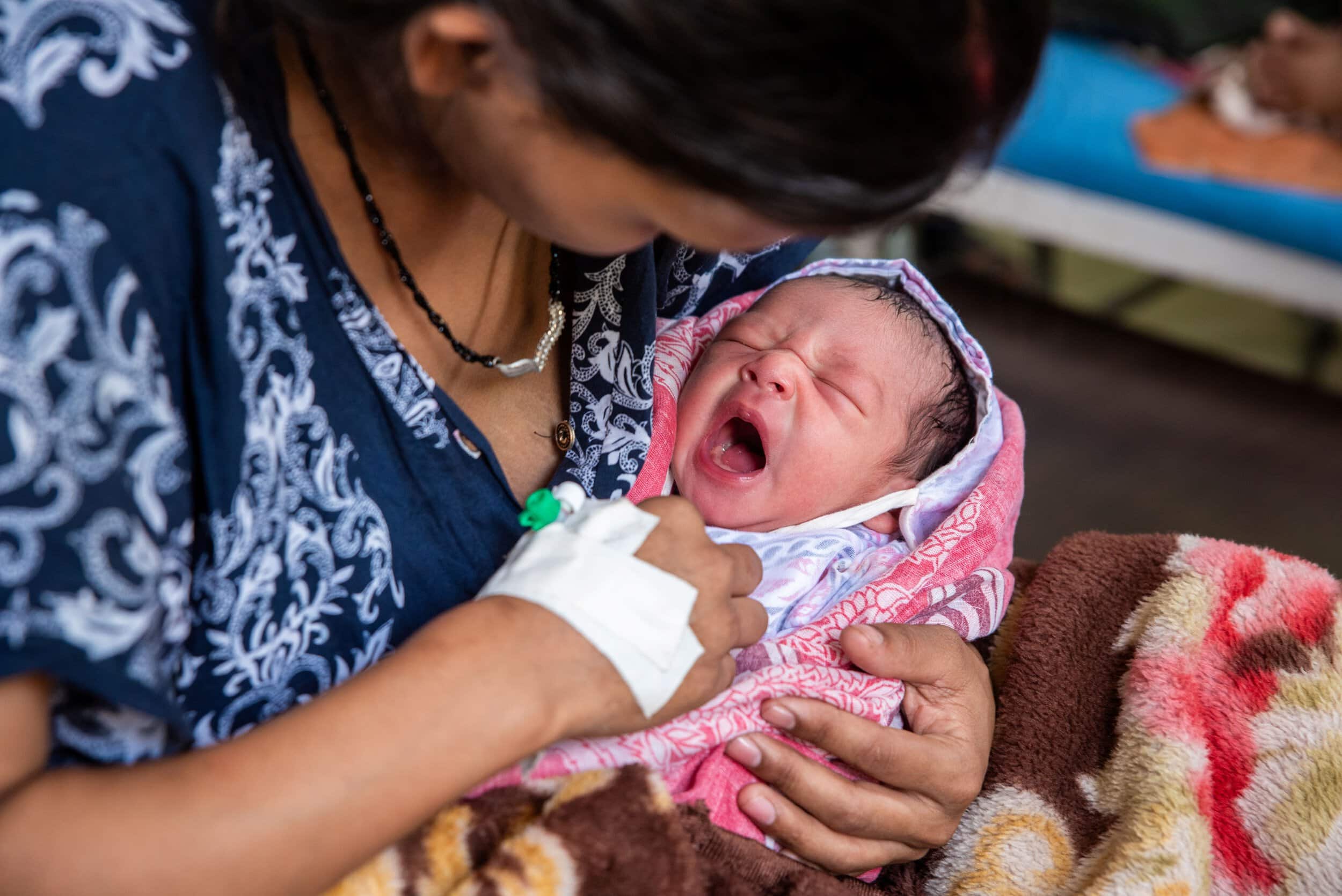
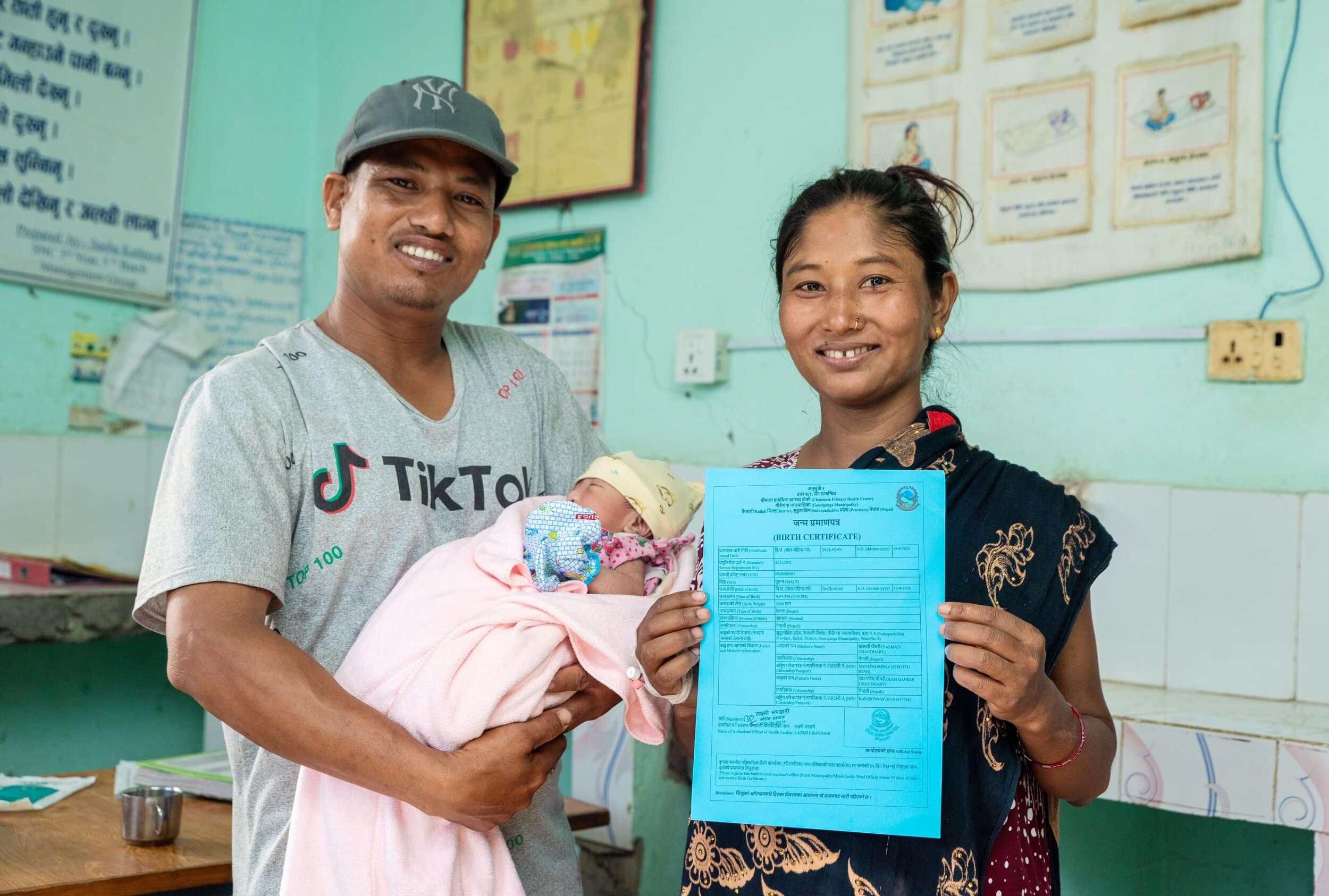
At the Nava Javeen Hospital, in Dhangadhi, a young mother beamed as her husband returned from the medical recorder’s office with the baby’s birth certificate in hand. He had waited only five minutes to receive the document.
They would go within the month to the ward office to register the baby’s birth, the father said. They would register their older child’s birth at the same time. ‘When our first child was born, there was no system like this for issuing birth certificates from the hospital,’ the father explained. Their older child is five. He is about to become visible in official systems for the first time, alongside his baby sibling whose digital footprint is already securely in place.
Karen Birdsall
October 2026