Young female influencers energise the campaign against menstrual taboos in Nepal – and beyond
‘Clicktivism‘ is proving an effective tool for challenging harmful practices and for empowering young women in Nepal.


‘Clicktivism‘ is proving an effective tool for challenging harmful practices and for empowering young women in Nepal.
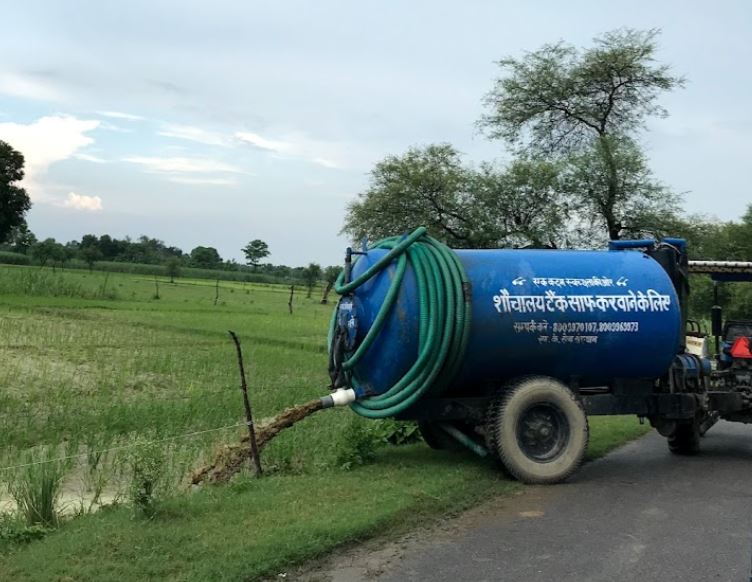
In a bid to end open defaecation, India has built more than 100 million toilets since 2014. But to protect human health and the environment, cities have to safely manage what comes out of them. Shit Flow Diagrams have emerged as a key tool to help them plan and monitor progress.
Beyond toilets: Managing human waste across the sanitation chain in India Mehr lesen

To reopen – and stay open – schools around the world must translate strict hygiene standards into everyday practice. Indonesia is showing how simple checklists can help school communities do this. Other countries, like Malawi, are adapting the same approach.
Going back to school in the middle of a pandemic Mehr lesen

Poor sanitation comes with a cost – it affects the affected individuals’ and populations’ health status and their productivity. Zambia, for example, loses 1.3 percent of GDP due to public health impacts of poor sanitation which results in child malnutrition, illness and premature death.
The Shhh Job: Sanitation for liveable cities Mehr lesen
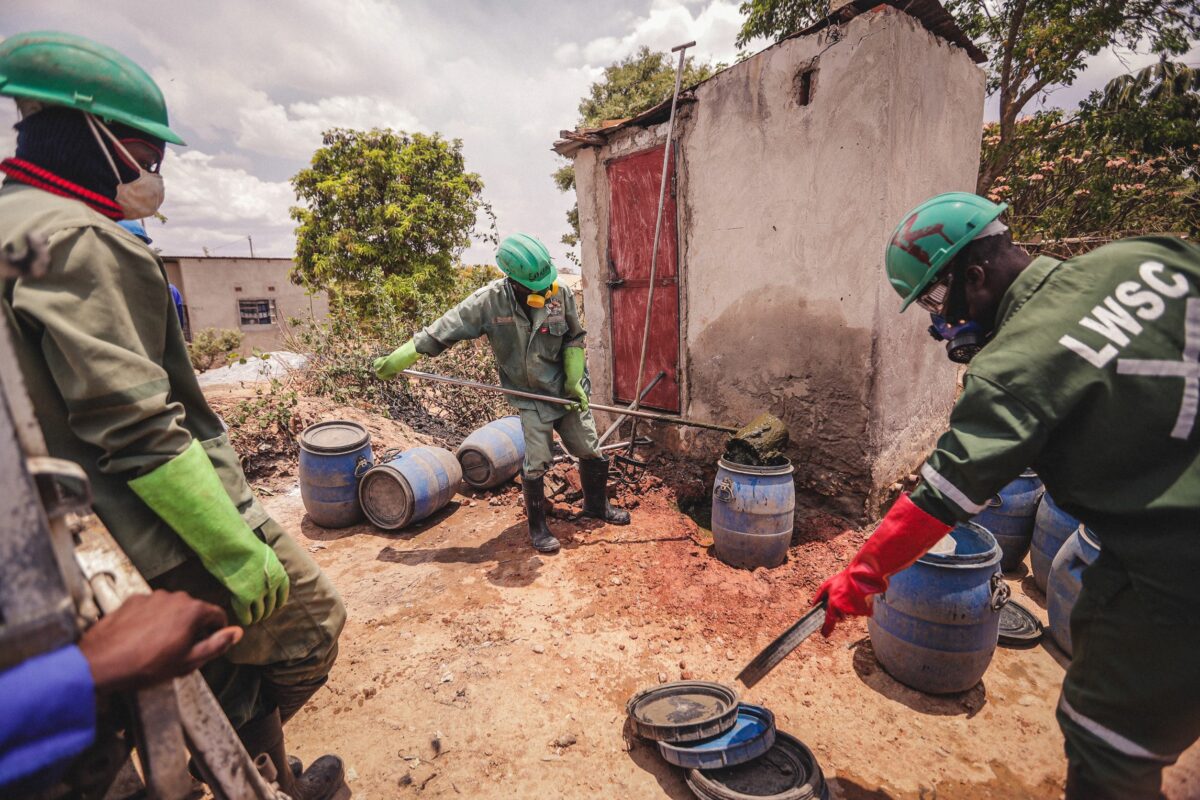
In rapidly growing cities in Africa and Asia, the sanitation needs of the very poorest are often neglected – to the detriment of public health. By visualising how excreta is managed as it moves through a city, Shit Flow Diagrams can help municipal authorities to prioritise investments where they are needed most.
Keki Adhikari is a well-known actress, model and film producer in her native Nepal. Since October 2020, she has a new role: as goodwill ambassador for menstrual health. Working with the GIZ-implemented Support to the Health Sector Programme (S2HSP) and the Menstrual Health and Hygiene Management Partners Alliance (MHM PA), she is raising awareness about
Nepal’s Menstrual Movement: Two short films Mehr lesen

More than 80 organisations and activists are now part of a growing alliance that is working to educate, advocate and break the silence surrounding menstruation.
Menstrual Hygiene Day: Nepal’s movement for dignified menstruation gathers pace Mehr lesen
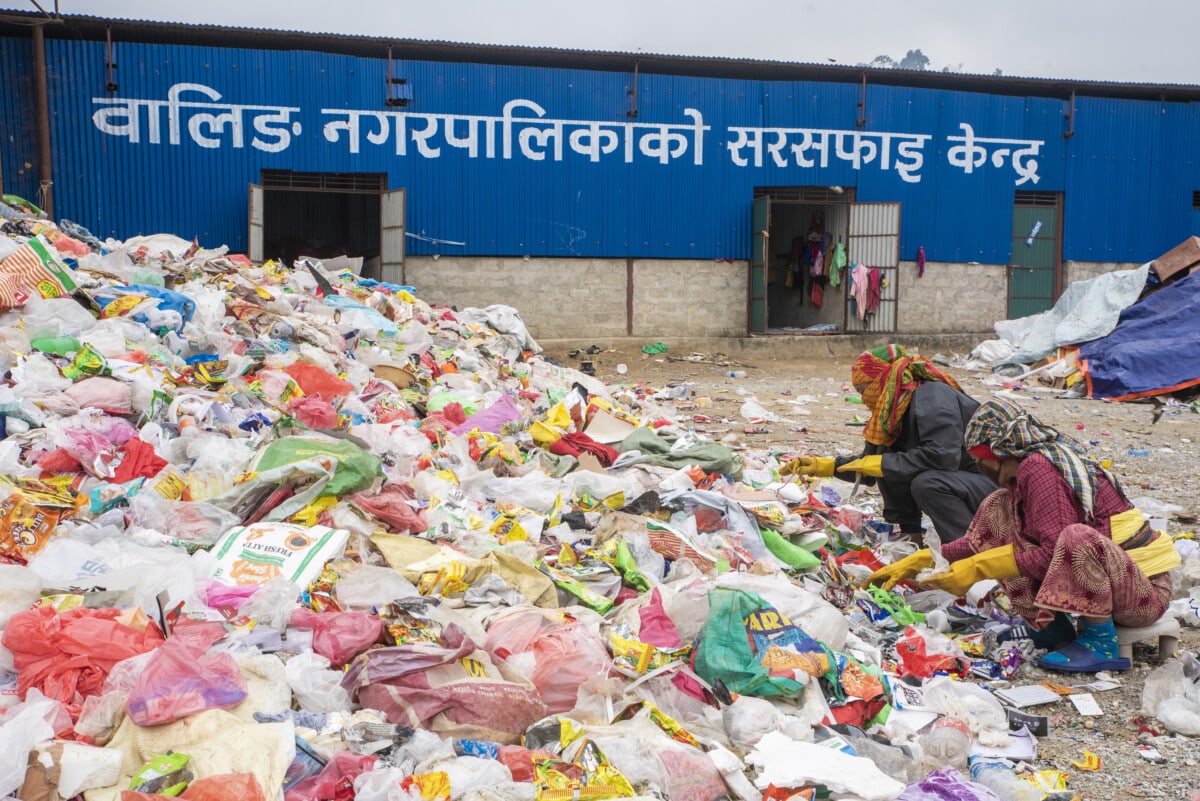
Not long ago in Nepal, like in many other lower-middle income countries, healthcare waste – from personal protective equipment, such as gloves and gowns, to used swabs and bandages, expired drugs, needles, laboratory reagents and chemicals – was simply dumped behind health facilities, mixed with general waste and sent to landfills, or openly burned.
Tackling healthcare waste on the top of the world Mehr lesen
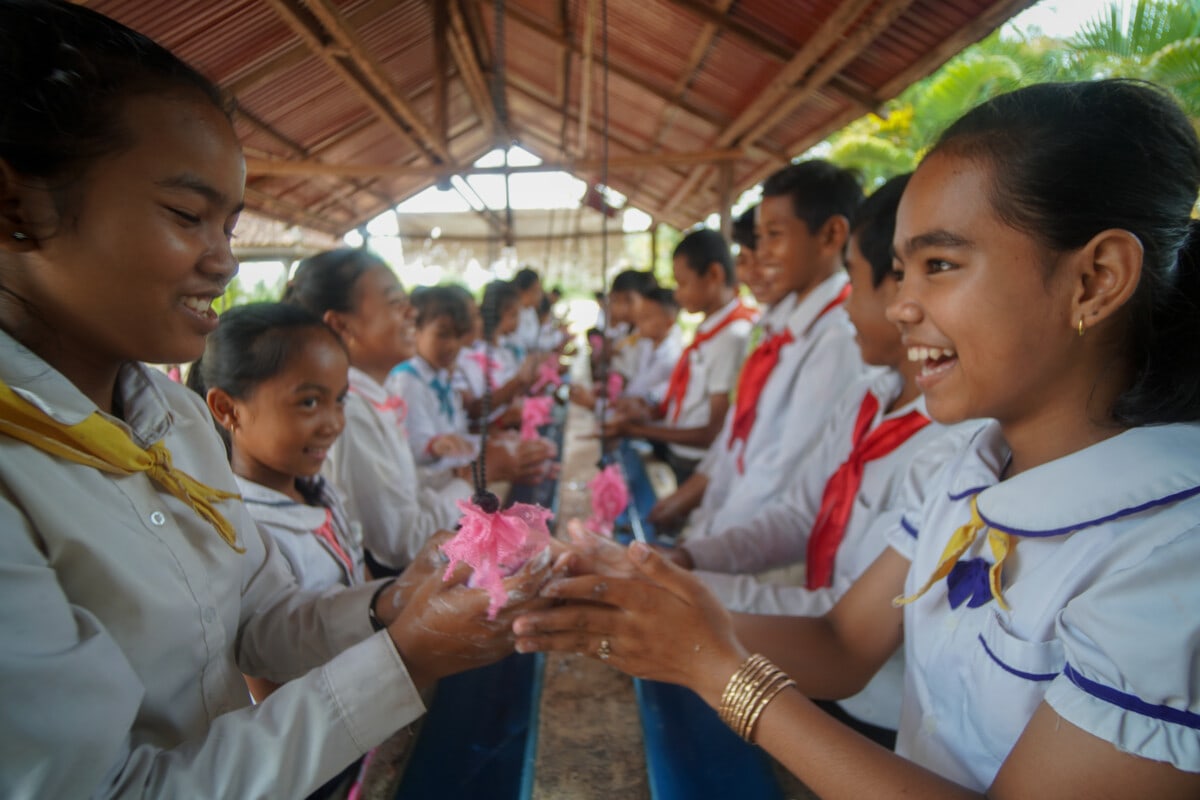
A simple approach to monitoring water, sanitation and hygiene standards is triggering action
Cambodian schools aim for the stars Mehr lesen

Rapid support for primary health care centers in a time of great confusion
Infection control in Kyrgyz health facilities Mehr lesen
You need to load content from reCAPTCHA to submit the form. Please note that doing so will share data with third-party providers.
More InformationYou are currently viewing a placeholder content from Turnstile. To access the actual content, click the button below. Please note that doing so will share data with third-party providers.
More InformationYou are currently viewing a placeholder content from Vimeo. To access the actual content, click the button below. Please note that doing so will share data with third-party providers.
More InformationYou are currently viewing a placeholder content from YouTube. To access the actual content, click the button below. Please note that doing so will share data with third-party providers.
More InformationYou need to load content from reCAPTCHA to submit the form. Please note that doing so will share data with third-party providers.
More InformationYou are currently viewing a placeholder content from reCAPTCHA. To access the actual content, click the button below. Please note that doing so will share data with third-party providers.
More InformationYou need to load content from reCAPTCHA to submit the form. Please note that doing so will share data with third-party providers.
More Information